Golden Hour Photography: Why the Best Light Lasts Minutes, Not Hours
The science behind golden hour, how its duration changes dramatically by location and season, and how to plan your shoots around the best natural light.
Every photographer has heard it: shoot during golden hour. It's the first piece of advice you get, and it's genuinely good advice. But most explanations stop at "the hour after sunrise and before sunset," which is both vague and frequently wrong.
Golden hour isn't actually an hour. Depending on where you are and what time of year it is, it can last fifteen minutes or stretch past two hours. The difference matters. Miss it by ten minutes and you're shooting in flat, harsh overhead light. Nail the timing and you get the warmest, softest, most three-dimensional light nature offers — for free, every single day.
This guide explains what actually happens in the atmosphere during golden hour, why the timing changes so dramatically by latitude and season, and how to plan shoots around it with precision instead of guesswork.
What Actually Happens During Golden Hour
Golden hour isn't a marketing term — it's a description of a specific atmospheric phenomenon tied to the sun's angle relative to the horizon.
When the sun sits between roughly -4° and 6° of altitude (that is, from just below the horizon to about six degrees above it), sunlight travels through a much thicker slice of atmosphere than it does at midday. At noon with the sun near 60-70° altitude, light passes through roughly one atmospheric thickness. At 4° altitude, it passes through more than ten.
This extreme path length does two things that photographers care about.
First, it removes short-wavelength light. Blue and violet wavelengths scatter away through a process called Rayleigh scattering — the same mechanism that makes the sky blue during the day. With those wavelengths stripped out, what reaches your subject is predominantly red, orange, and warm yellow. That's the color warmth that gives golden hour its name.
Second, the long atmospheric path acts as a natural diffuser. The light becomes less directional and wraps around subjects more evenly. Shadows soften. Contrast drops. Skin tones glow. Landscapes gain depth without the harshness of direct overhead sun.
The combination — warm color temperature (roughly 2500-3500K versus midday's 5500K+) plus soft directionality — is what makes golden hour so universally flattering. It isn't magic. It's geometry and physics.
The Deep Golden Zone: 0° to 4°
Not all of golden hour is equal. The absolute prime window — the light that makes photographers get up at 4am — is when the sun sits between 0° and 4° above the horizon.
In this narrow band, you get maximum warmth with the sun still technically above the horizon, so subjects receive direct light that's been heavily filtered. Below 0° (sun below horizon) you enter blue hour territory. Above 6°, the warmth fades quickly as the atmospheric path shortens.
Between 0° and 2°, the light is at its most dramatic. Long, stretched shadows. Deep warm tones. Strong directional quality but still soft enough that you don't get harsh contrast. This window can last as little as five minutes near the equator.
Between 2° and 4°, the light is still warm and beautiful but slightly less intense. Shadows shorten. This is often the most practical window for portrait work because the light is warm and soft without being so low that shadows cross faces unevenly.
Between 4° and 6°, the transition zone. Still noticeably warmer than midday, but the golden quality is fading. Many photographers pack up at this point, but it's still better light than you'll get at any point during midday.
Why Golden Hour Duration Varies So Dramatically
Here's where most guides fail: they treat golden hour as a fixed-duration event. It isn't. The sun's angle changes at different rates depending on where you are on Earth and what time of year it is.
Latitude Is Everything
Near the equator, the sun rises and sets almost vertically. It punches through the golden zone quickly — sometimes in under twenty minutes. A photographer in Singapore or Quito gets a brief, intense golden hour that demands precise timing.
At mid-latitudes (35-50°N/S — think Los Angeles, Rome, Tokyo, Melbourne), the sun's path is more oblique, especially during spring and autumn. Golden hour lasts thirty to fifty minutes, sometimes longer. This is the sweet spot for most photographers — enough time to work without feeling rushed.
At high latitudes (55°N and above — think Edinburgh, Stockholm, Anchorage), the summer sun barely dips below the horizon. Golden hour can extend to two hours or more. In some locations above the Arctic Circle during midsummer, the sun never leaves the golden zone at all — the entire night is a continuous golden hour.
The flip side: during winter at high latitudes, the sun barely rises above the horizon, spending the entire day in what's effectively golden hour. The light is gorgeous but extremely brief — you might get only six or seven hours of daylight with the sun never climbing above 10°.
Season Matters Too
Even at the same latitude, golden hour duration changes through the year. Around the equinoxes (March and September), the sun's path crosses the horizon at a steeper angle, producing shorter golden hours. Around the solstices (June and December), the path is more oblique, stretching golden hour longer.
The practical takeaway: the longest golden hours of the year are around the summer solstice, and the shortest are around the equinoxes. If you're planning a trip specifically for golden hour photography, late June (Northern Hemisphere) or late December (Southern Hemisphere) gives you the most working time.
Altitude and Terrain
At higher elevations, golden hour can start a few minutes earlier in the evening and end a few minutes later in the morning because you're above the geometric horizon. More importantly, mountains can block the sun and create an effective early sunset or late sunrise, changing your working window.
Always scout your location. A valley that loses direct sunlight forty minutes before the actual sunset won't give you the golden hour you planned for.
How to Calculate Exact Golden Hour Times
Guessing doesn't work. The difference between golden hour and flat light can be fifteen minutes, and the exact timing changes daily.
The astronomical definition is precise: golden hour occurs when the sun's center is between -4° and 6° altitude. You need the sun's position calculated for your specific location and date.
Use our Golden Hour Calculator to find exact times for any location worldwide. It shows you not just when golden hour starts and ends, but also the transition through blue hour, civil twilight, and the deep golden zone — so you can plan exactly when to be set up and shooting.
For recurring shoots at the same location, check the monthly calendar view. Golden hour shifts by several minutes week to week, and understanding the trend helps you plan sessions weeks in advance.
Camera Settings for Golden Hour
Golden hour light is forgiving, but you still need to adapt your settings to the conditions.
Portraits
The warm, soft quality of golden hour light is ideal for portraits. Position your subject facing the sun (or at a 45° angle) to catch the warmth directly on their face.
Start with: aperture priority, f/2.8 to f/4 for shallow depth of field. ISO 100-400. The light changes fast, so check exposure every few minutes. White balance set to Daylight (5500K) or slightly lower — auto white balance tends to "correct" the warmth out of golden hour, which defeats the purpose.
If you're backlighting your subject (sun behind them, creating a rim light), expose for the face and let the background blow out. Or use a reflector to bounce warm light back onto the face.
Landscapes
For landscapes, golden hour adds depth through long shadows and warm tonal contrast. Shoot at f/8 to f/11 for sharpness across the frame. ISO 100. Use a tripod if the light drops low enough to push shutter speeds below 1/focal-length.
Consider graduated ND filters if the sky is much brighter than the foreground — this is common during golden hour as the sky near the sun retains more light than the shadowed landscape below.
The best landscape golden hour shots often include a strong foreground element lit by the warm directional light. Look for textures: sand ripples, rock faces, grass, water surfaces. Low-angle light reveals texture that midday light flattens.
Architecture
Buildings look their best when lit from the side during golden hour. The warm light picks up material textures — stone, brick, metal, glass — that disappear under overhead light.
Settings: f/8 to f/11 for sharpness, ISO 100-200, tripod recommended. Watch for mixed lighting when artificial lights inside buildings turn on — this usually happens during blue hour, not golden hour, and creates its own interesting opportunities.
Common Mistakes
Arriving Late
The single most common golden hour mistake is arriving at your location when golden hour starts. You need to be set up, composed, and ready to shoot when the light hits. For sunrise golden hour, that means arriving at least thirty minutes before sunrise — during civil twilight — to find your spot, set up your tripod, and compose your shot.
Ignoring Blue Hour
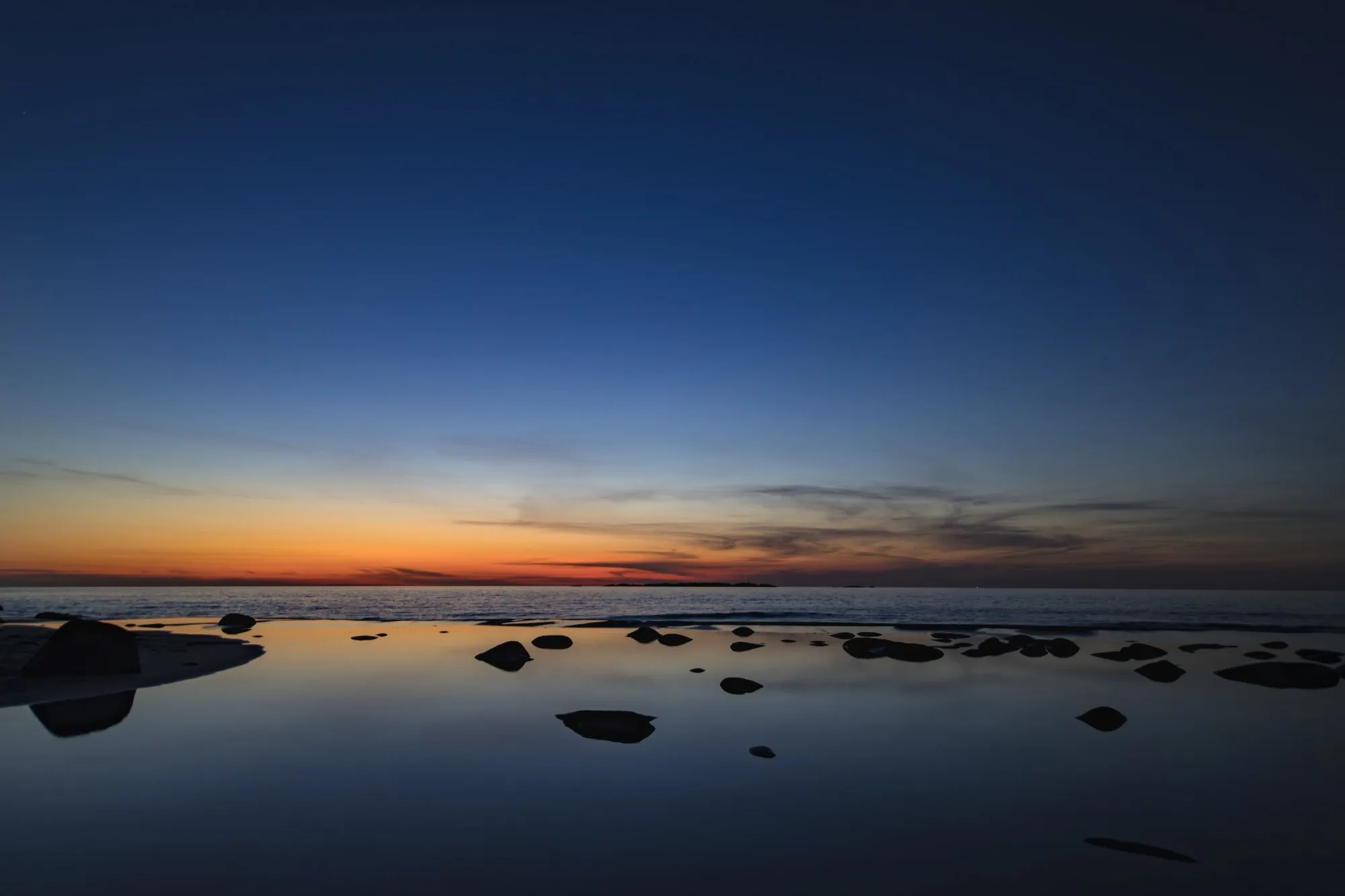
Many photographers shoot through golden hour and then pack up. Blue hour — the period when the sun is between -6° and -4° below the horizon — produces its own distinctive light: cool, even, with a deep blue sky that contrasts beautifully with warm artificial lighting. It's ideal for cityscapes and architecture. Stay for it.
Not Scouting
Golden hour light is directional. The direction changes with the season because the sun's rise and set azimuth shifts throughout the year. A location that's perfect in March (sun setting to the west) might not work in June (sun setting to the northwest). Scout your location at the right time of year, or use a sun position tool to predict where the light will fall.
Fighting Auto White Balance
Auto white balance algorithms try to neutralize color casts. During golden hour, the "color cast" IS the point. Set your white balance to Daylight (5200-5500K) or Cloudy (6000K) to preserve the warmth. If you shoot RAW — and you should — you can fine-tune white balance in post, but getting it close in-camera helps you evaluate the light accurately on your LCD.
Golden Hour vs Blue Hour: When to Use Which
Golden hour and blue hour are adjacent but produce very different results.
Golden hour gives you warm, directional light with visible shadows. It's ideal for portraits, landscapes with texture, and any subject where warmth and dimensionality matter.
Blue hour gives you cool, even light with almost no shadows. It's ideal for cityscapes (the blue sky contrasts with warm building lights), water reflections (the stillness of early morning or late evening reduces waves), and architecture (even illumination plus interior lights).
The transition between them — roughly when the sun crosses 0° altitude — is often the most dramatic moment of all. The sky shifts from warm to cool in a matter of minutes, and for a brief window you can capture both qualities in a single frame.
Plan for both. If you're shooting sunset golden hour, don't leave after the sun drops — stay for the fifteen to thirty minutes of blue hour that follow. And if you're shooting sunrise, arrive during blue hour and shoot through the transition into golden hour.
Planning Your Golden Hour Shoots
The difference between a good golden hour shot and a great one is usually planning, not luck.
Start with timing. Check the Golden Hour Calculator for your location and date. Note the exact start and end times for both golden hour and blue hour. Set a phone alarm for thirty minutes before the window opens.
Next, check azimuth. The sun doesn't rise due east or set due west except during the equinoxes. In summer it rises and sets well north of east/west (in the Northern Hemisphere), and in winter well south. This affects which faces of buildings catch the light, which valleys are illuminated, and where shadows fall.
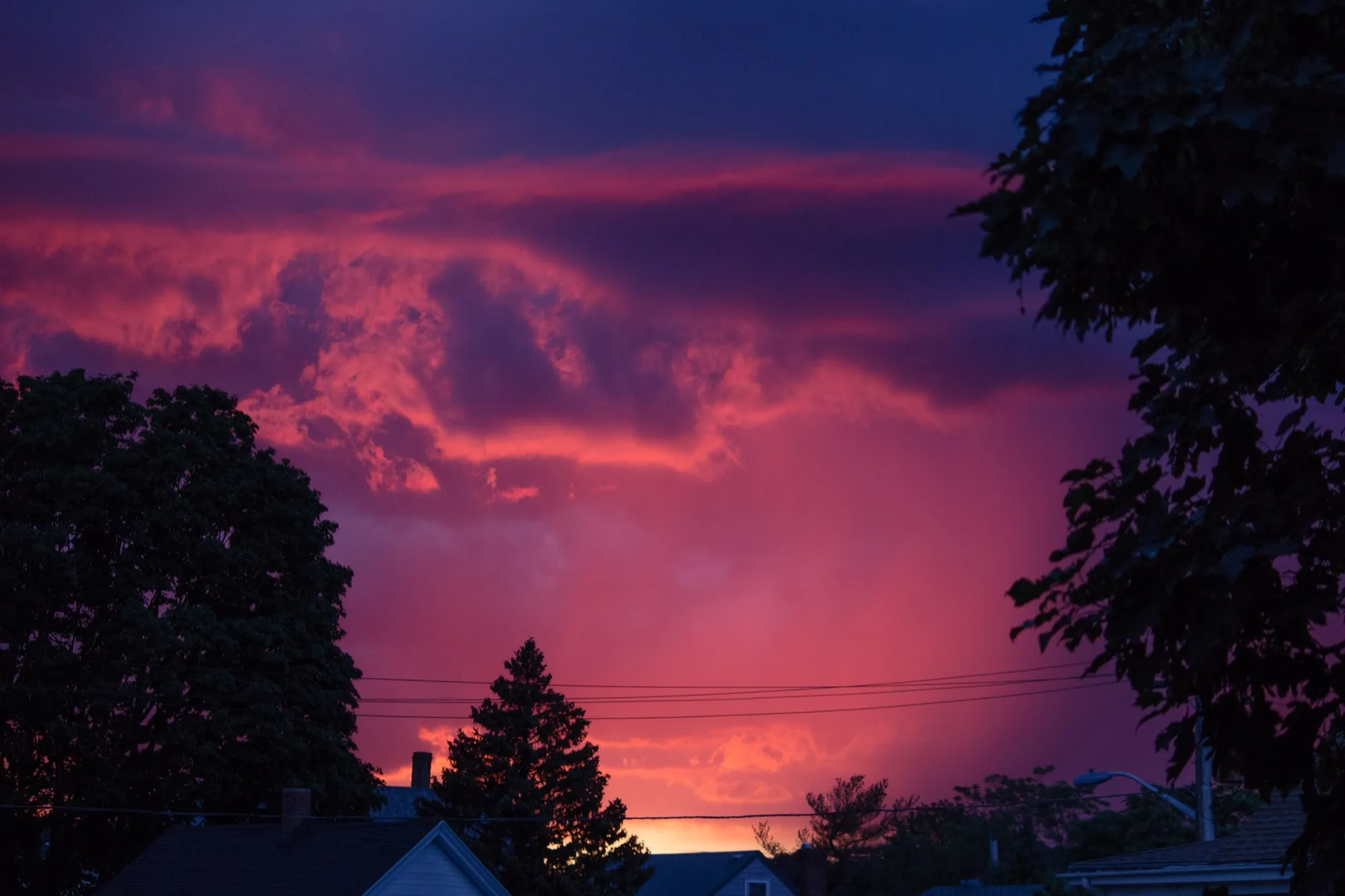
Then, check the weather. Cloud cover can enhance or ruin golden hour. Thin, scattered clouds often produce the most dramatic golden hour skies — the undersides catch the warm light and glow. Complete overcast blocks the effect entirely. Clear skies produce clean golden light on your subject but less dramatic skies.
Finally, have a backup plan. Golden hour waits for no one. If clouds roll in or the location doesn't work, knowing a second spot nearby can save the session.
Frequently Asked Questions
How long does golden hour actually last?
It depends entirely on your latitude and the time of year. Near the equator, golden hour can be as brief as fifteen to twenty minutes. At mid-latitudes (35-50°), it typically lasts thirty to fifty minutes. At high latitudes in summer, it can stretch past two hours. Use a golden hour calculator with your specific coordinates for accurate timing.
Is golden hour the same length at sunrise and sunset?
Very nearly, yes. The sun's path is symmetrical — it descends through the same angles it ascends through. Minor differences can occur due to atmospheric conditions (mornings tend to have cleaner air than evenings in urban areas, which can affect the quality of the light), but the duration is effectively identical.
Can I get golden hour light on a cloudy day?
Thick overcast blocks golden hour light entirely — you'll get flat, grey illumination regardless of the sun's position. However, partial cloud cover can actually produce more dramatic results than clear skies. Breaks in the clouds during golden hour can create spotlight effects, and cloud undersides lit by the low sun can glow intensely warm.
What camera settings should I use for golden hour?
For portraits: f/2.8 to f/4, ISO 100-400, daylight white balance. For landscapes: f/8 to f/11, ISO 100, tripod for the lower-light portions, graduated ND filter for high-contrast scenes. The key setting is white balance — set it to Daylight or Cloudy to preserve the warm tones, not Auto, which will neutralize them.
Is morning golden hour better than evening golden hour?
Neither is inherently better — they produce the same quality of light. However, morning golden hour tends to have cleaner air (less dust and haze), fewer people at popular locations, and calmer water for reflections. Evening golden hour is more convenient, builds toward dramatic sunsets, and transitions into blue hour when city lights turn on. Choose based on your subject and location.
Why does my camera make golden hour look less warm than it appears to my eyes?
Auto white balance. Your camera's AWB algorithm detects the warm color cast and tries to "correct" it by cooling the image. Override it by setting white balance to Daylight (approximately 5200-5500K), which preserves the warmth your eyes see. Shooting RAW gives you full control over white balance in post-processing.
Find exact golden hour and blue hour times for any location with the Astrian Light Golden Hour Calculator.
Recommended Reading
Continue reading
Newsletter
A short reading once a month, in your inbox.
A note on the symbolism of the season, recent editorial pieces, and what to look for in next month's sky. No predictions.
Support this project
Independent, no venture funding, no ads. A contribution keeps Astrian precise and free.
Support on Ko-fi (opens in new tab)