Reading
Library
Astrian's editorial library. Long-form articles on the astrological tradition — what the symbols carry, where they come from, and what they ask.
Sun in Virgo
The precision of care
There is a kind of love expressed through precision — close enough attention to get the details right. Virgo's real impulse is care, not criticism.
Read the full essay →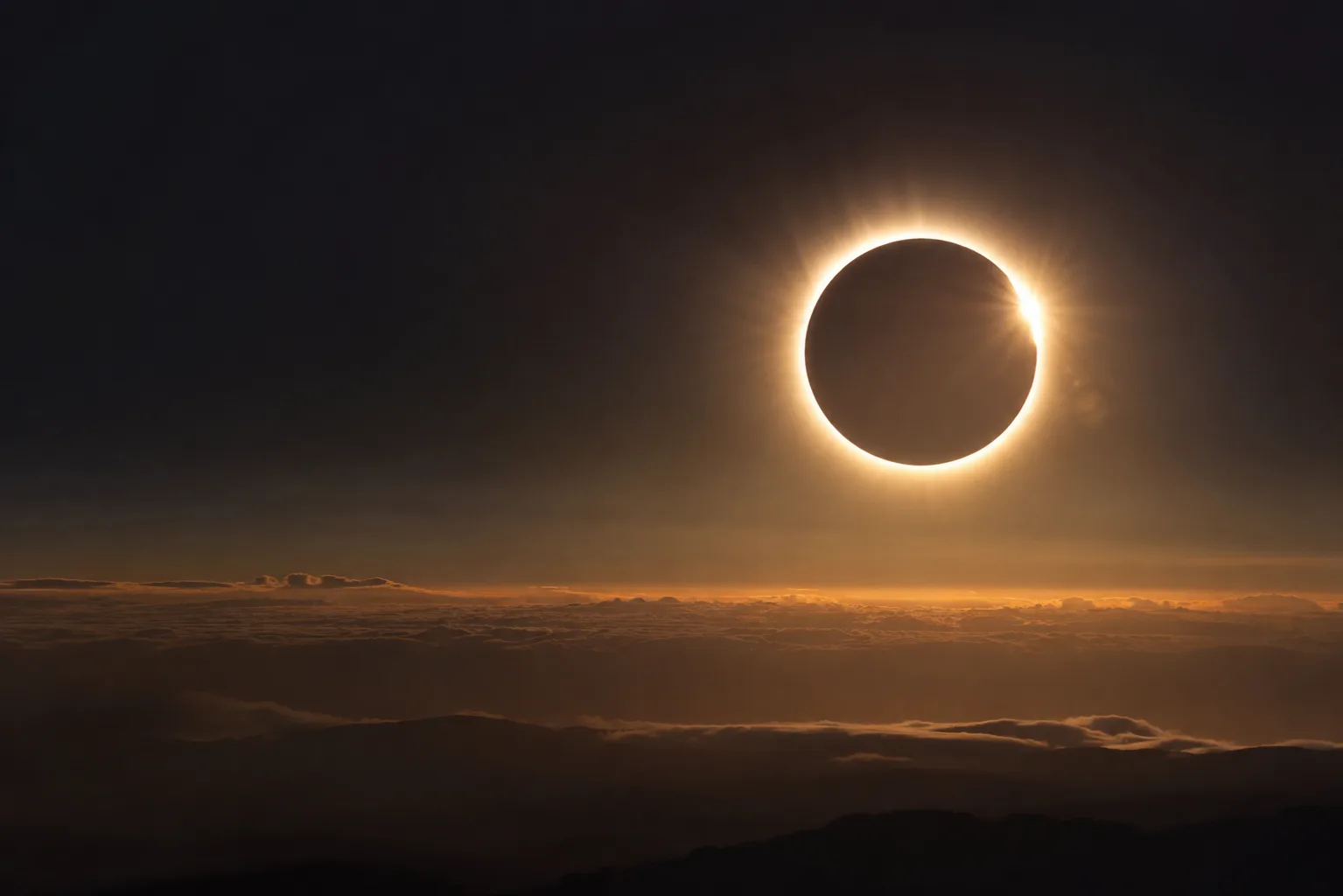
Eclipses: what they are, what they move, and how to read the total solar eclipse of 12 August 2026
The astronomy, the symbolism, and the Leo eclipse in detail
On 12 August 2026, shortly before sunset, the Moon will cover the solar disc completely over northern Iberia — the first total solar eclipse visible from mainland Spain in over a century. This separates the verifiable fact from its symbolic reading.
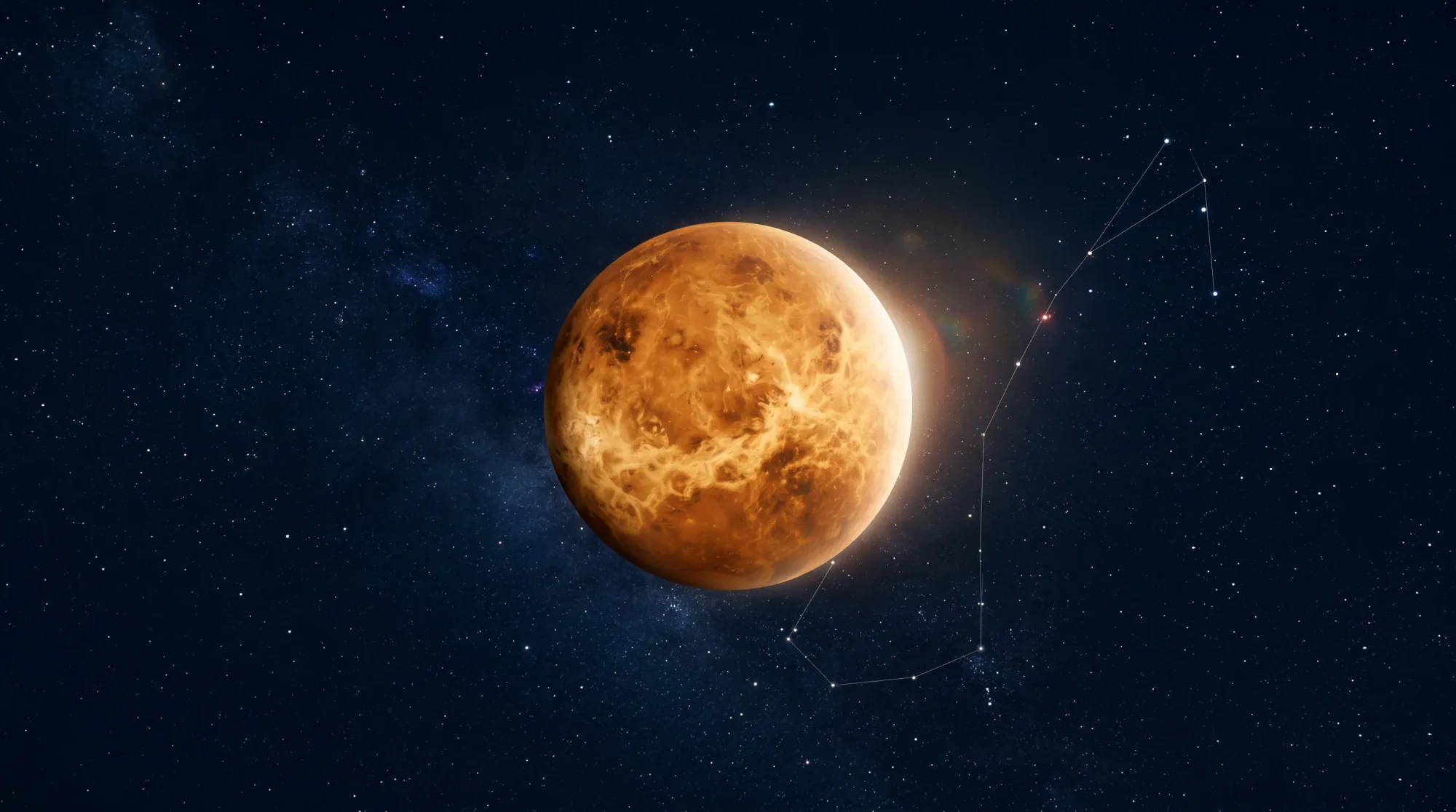
Venus Retrograde 2026
October 3 to November 13 in Scorpio and Libra
Venus stations retrograde on October 3 at 8°29' Scorpio and stations direct on November 13 at 22°52' Libra. Full timeline, by-ascendant breakdown, and a clear-eyed look at what the retrograde actually means.
Mercury retrograde is not what you think
Separating the phenomenon from the mythology
Three times a year, the internet announces a collective emergency. Mercury is retrograde. Contracts will fall apart. Flights will be delayed. Exes will text. Technology will rebel. This is not what Mercury retrograde means.
Birth time: why it matters and what to do without it
What the chart can tell you, with or without the hour
Every astrology platform asks for it. The birth chart calculator has a field for it. And a significant number of people either don't know it, aren't sure about it, or have been told a time that may not be accurate.

Reading the ascendant
The mask, the entrance, the first breath
The Ascendant is the degree of the ecliptic rising at your exact place and moment of birth. It changes every four minutes — the most personally defining point in any chart.
The Moon in the natal chart
Emotional memory and the need beneath the need
Venus in the natal chart
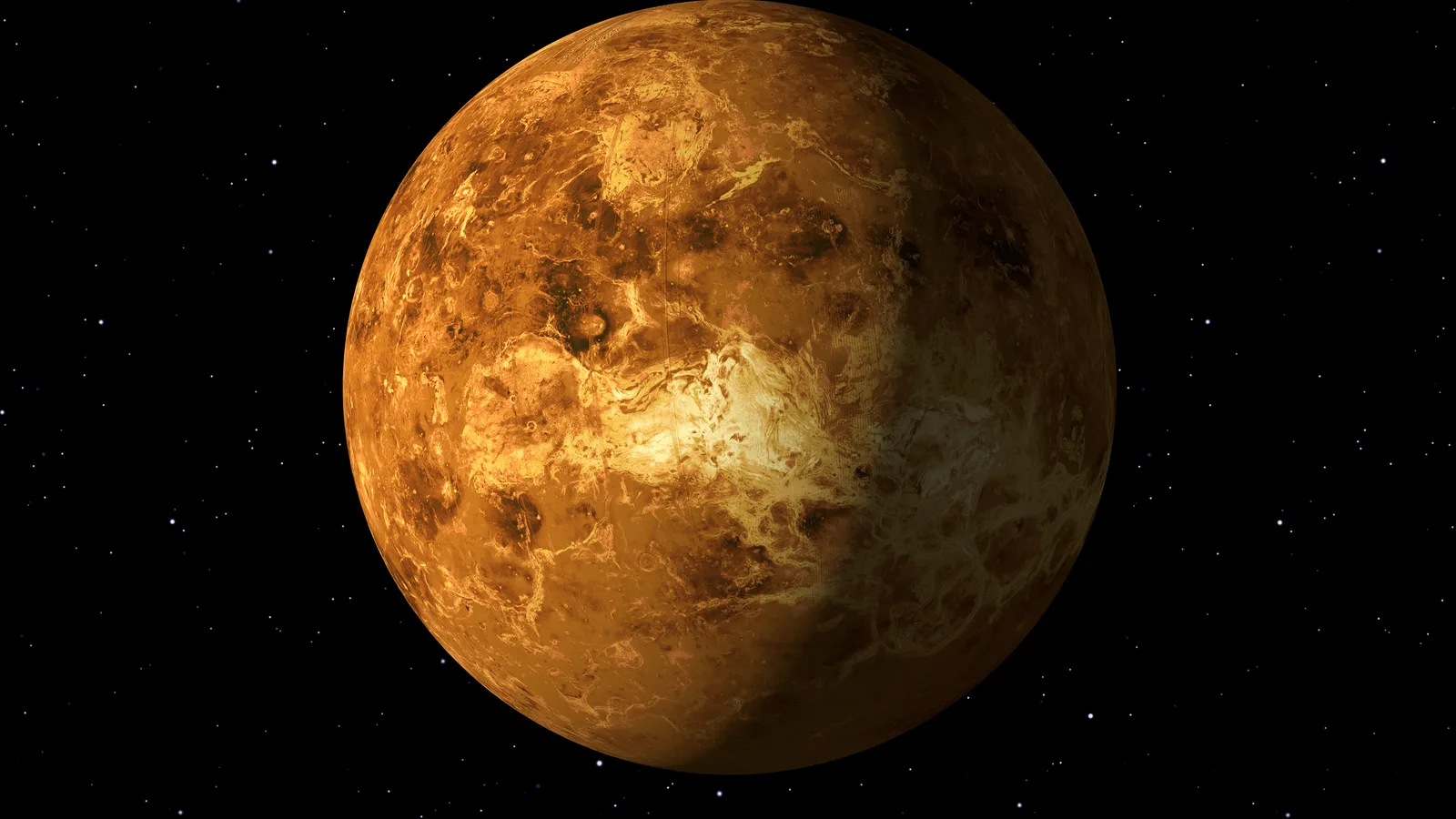
What you value, what you desire, what you attract
Mercury in the natal chart
How you think, speak, and make sense of the world
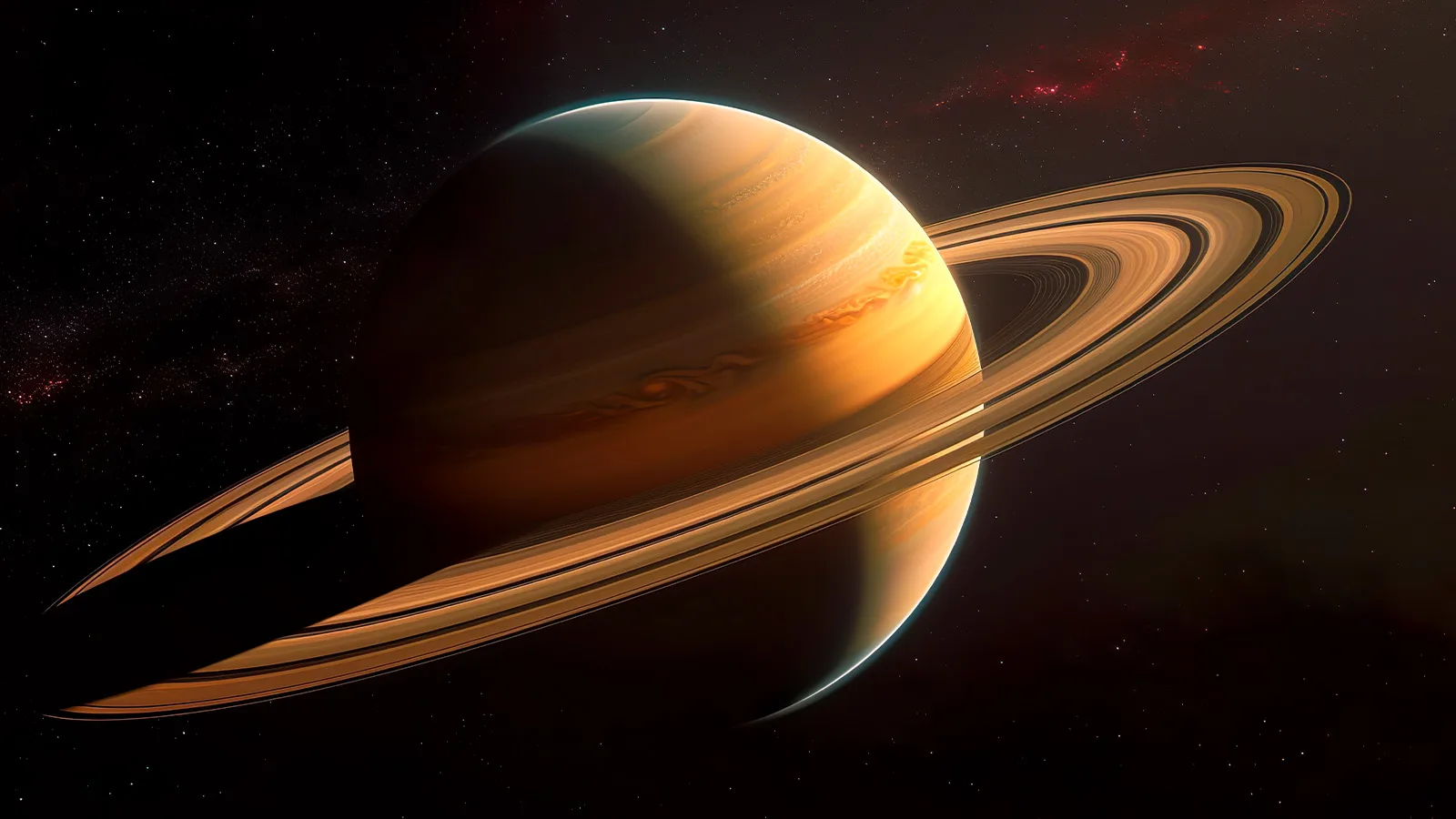
Saturn in the natal chart
Structure, discipline, and the teacher within
For most of history, Saturn was the edge of the known world — the outermost planet visible to the naked eye, creeping through each sign at a pace that seemed almost geological.
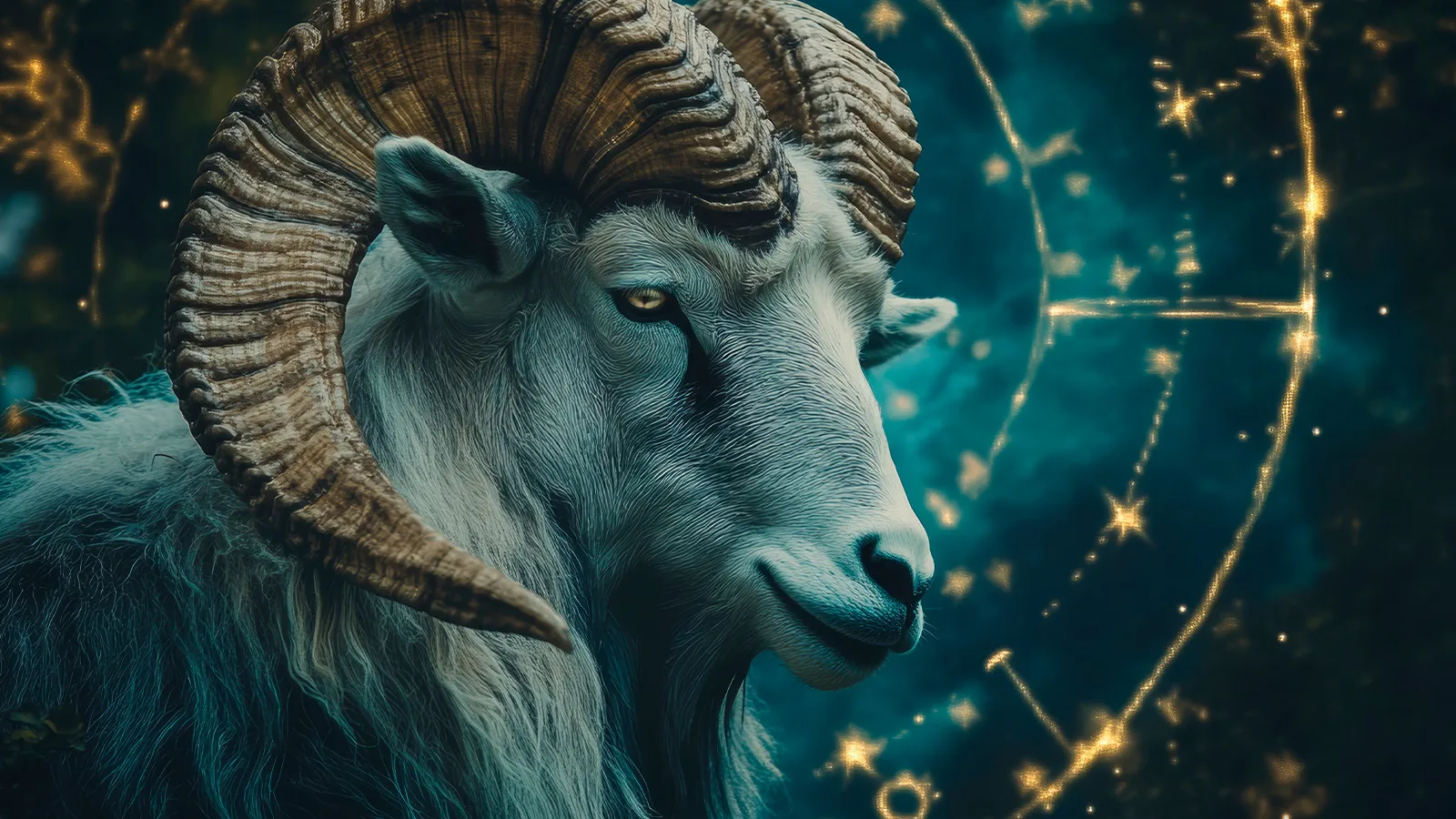
Sun in Aries
The question of beginning
The Sun enters Aries at the March equinox — the threshold of the zodiac. The tradition read this crossing as the question of individuation: the courage to begin before knowing.
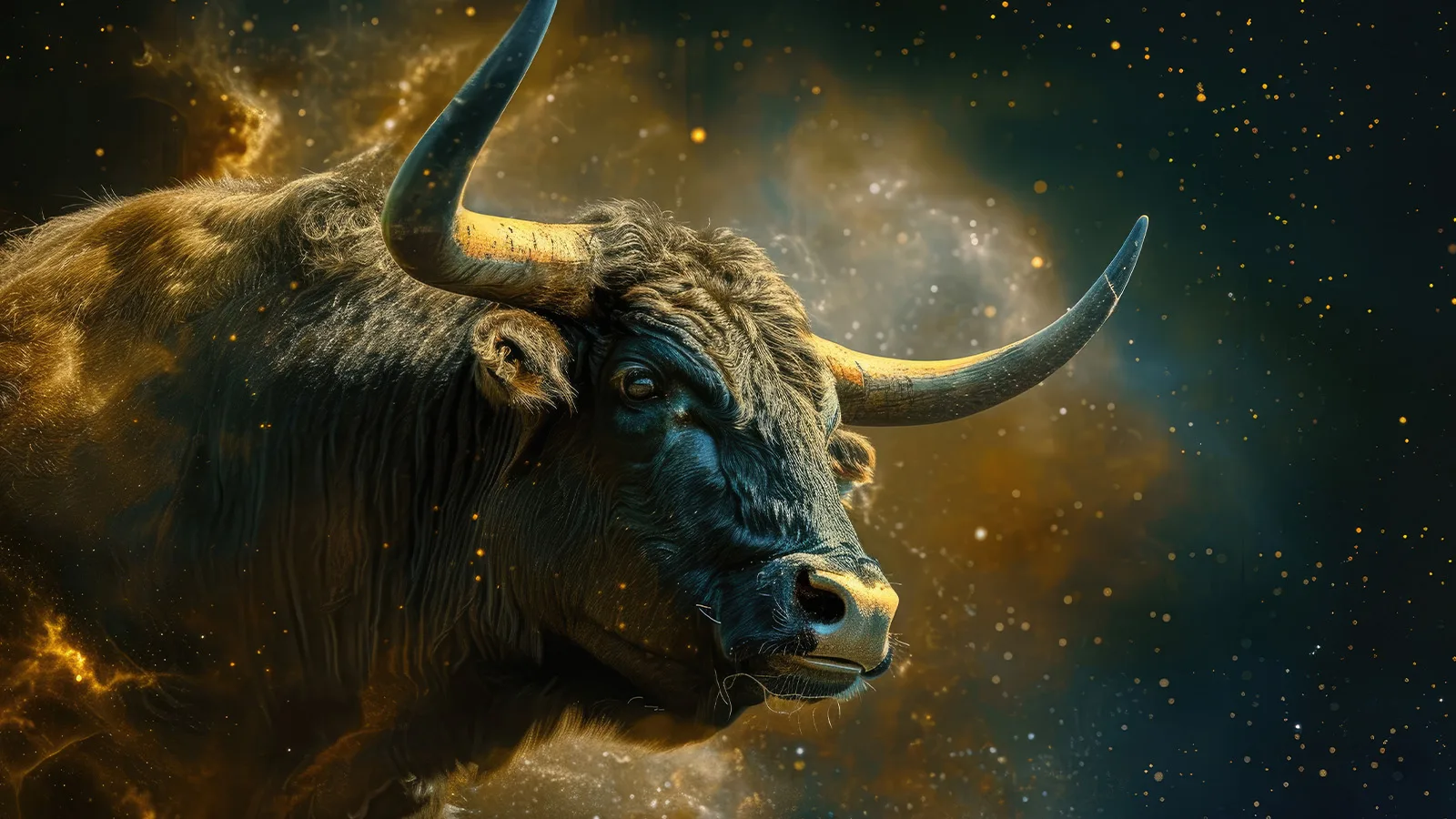
Sun in Taurus
The patience of form
There is a question buried inside the second sign of the zodiac, and it has nothing to do with stubbornness. It is this: what deserves to remain?
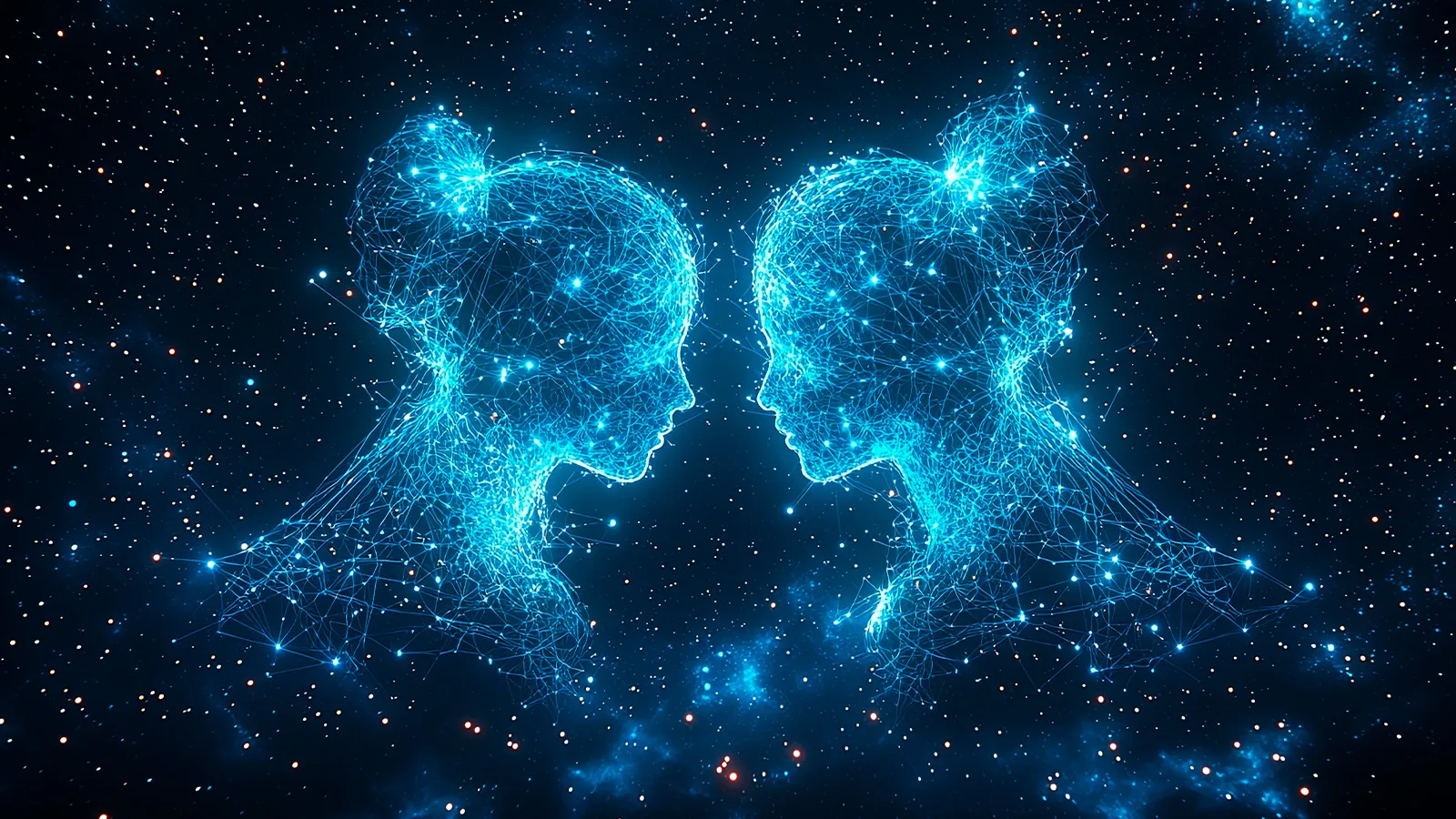
Sun in Gemini
The intelligence of duality
What makes something one thing and not two? Gemini holds two truths simultaneously — not out of indecision, but because it refuses to simplify the division.
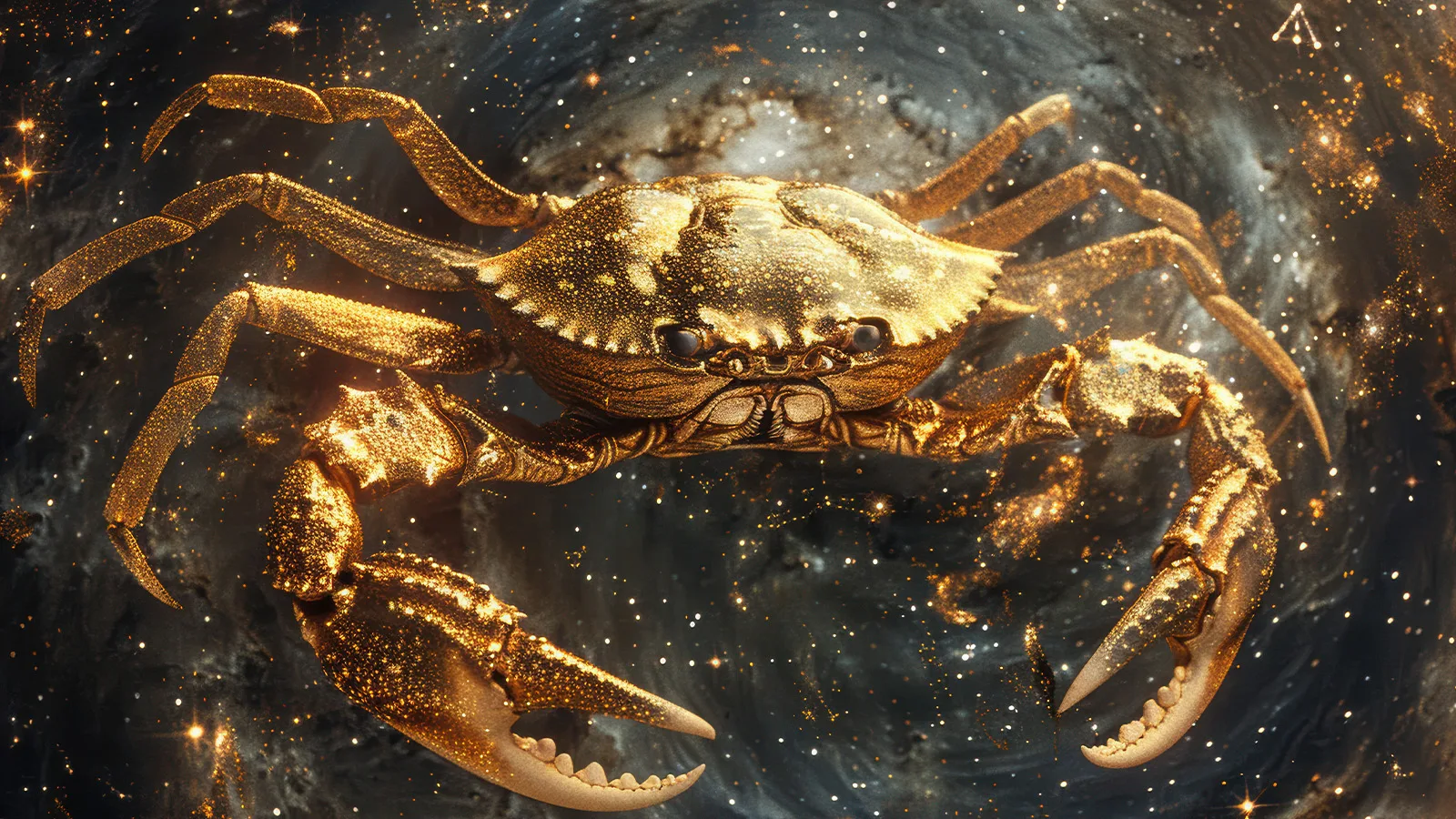
Sun in Cancer
The archaeology of belonging
The Sun enters Cancer at the June solstice — the longest day, then the inward turn. The domain is memory, shelter, and the invisible architecture of emotional safety.
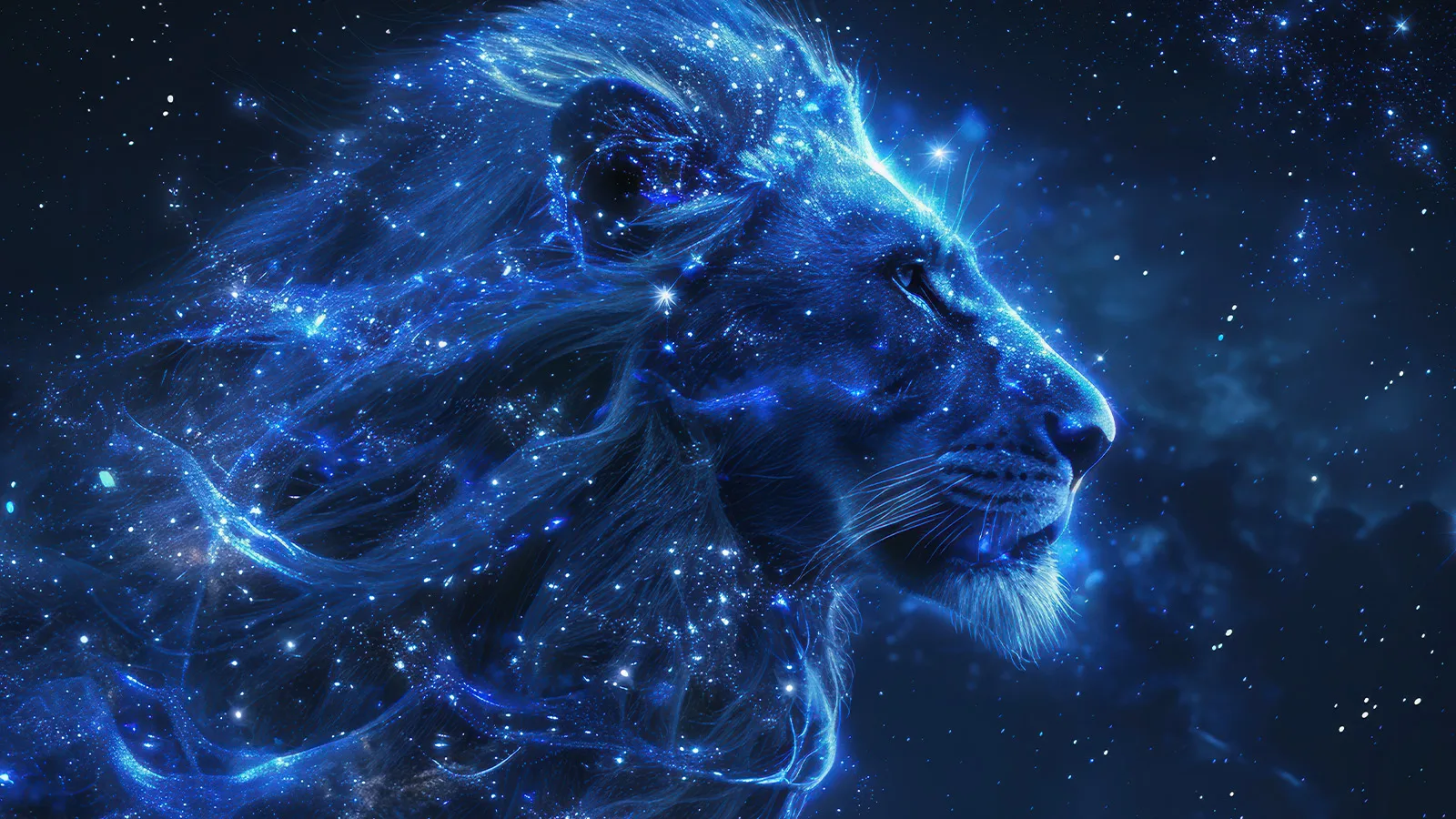
Sun in Leo
The courage to be seen
What does it cost to be seen? Leo does not ask for permission to exist. The symbolism carries the weight of visibility — and what it costs to hide.
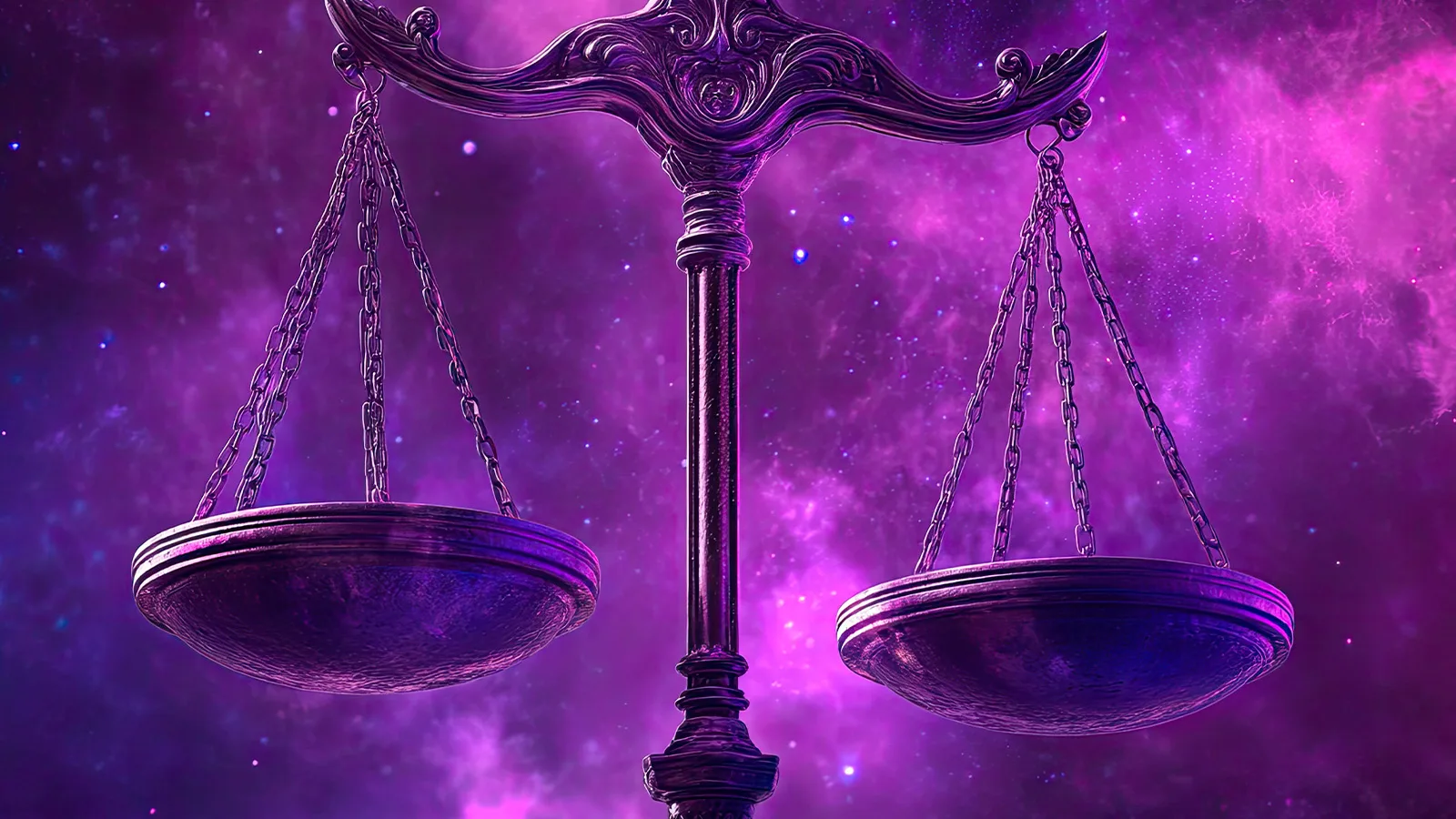
Sun in Libra
The weight of balance
The Sun enters Libra at the September equinox — the symmetrical point where light yields to dark. The astrological tradition made of this balance a symbol of perpetual negotiation.
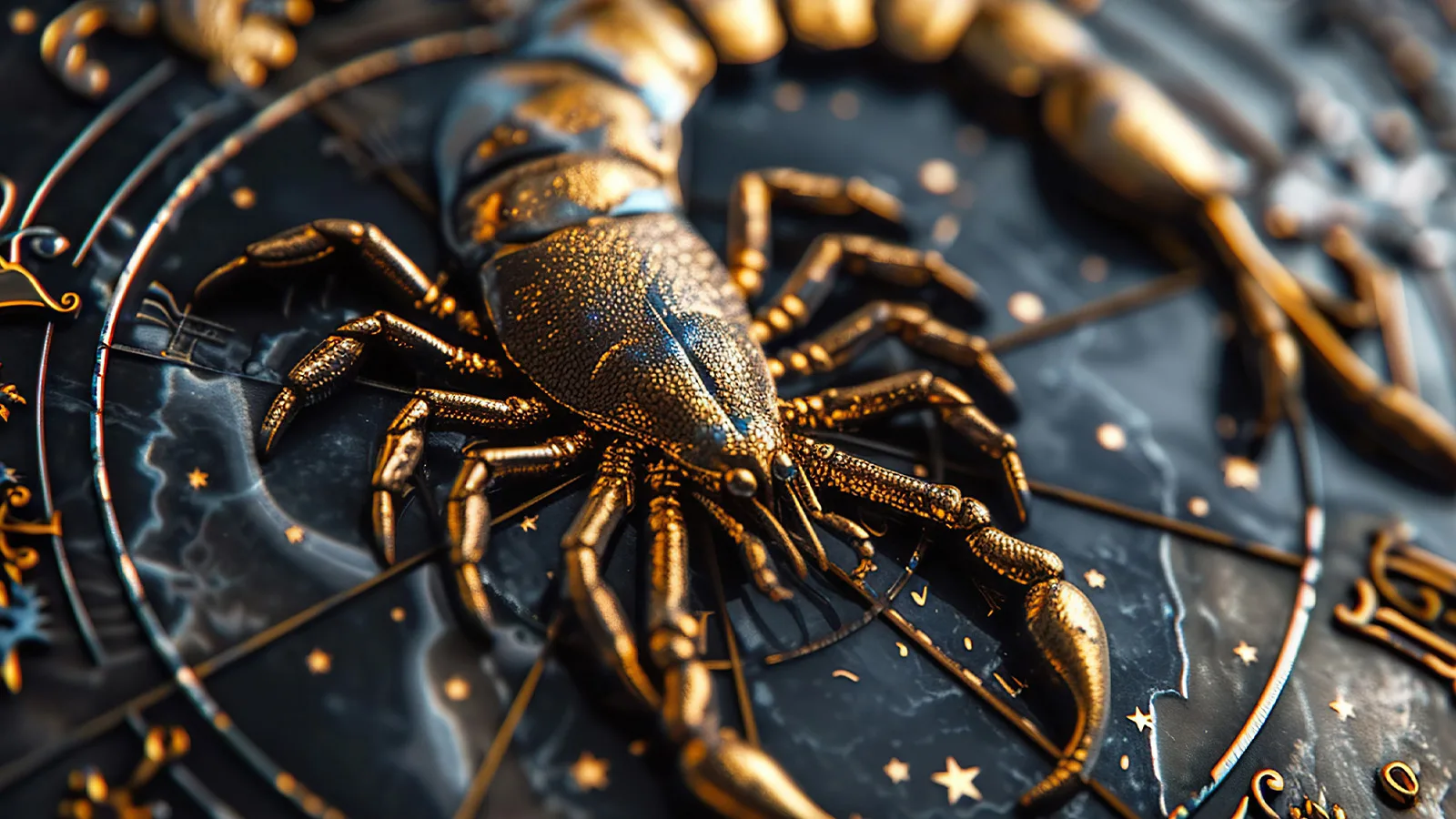
Sun in Scorpio
The truth beneath the surface
What remains after you have lost everything that could be taken? Scorpio asks not what ends, but what persists through endings — what cannot be eliminated.
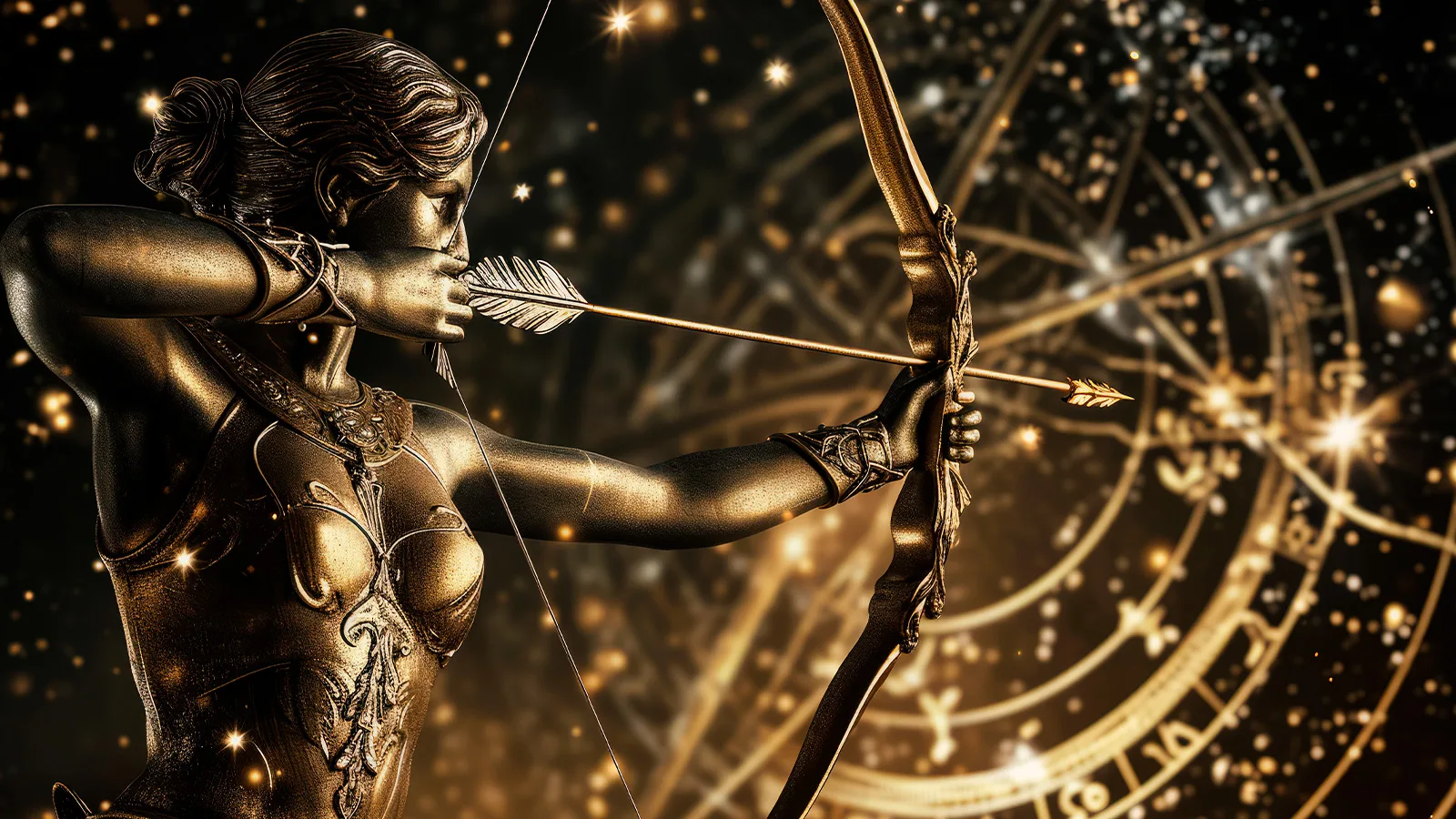
Sun in Sagittarius
The reach beyond the known
The archer aims above the horizon — not at a visible target, but at something beyond it. The arrow traces the line between where you stand and where meaning lives.
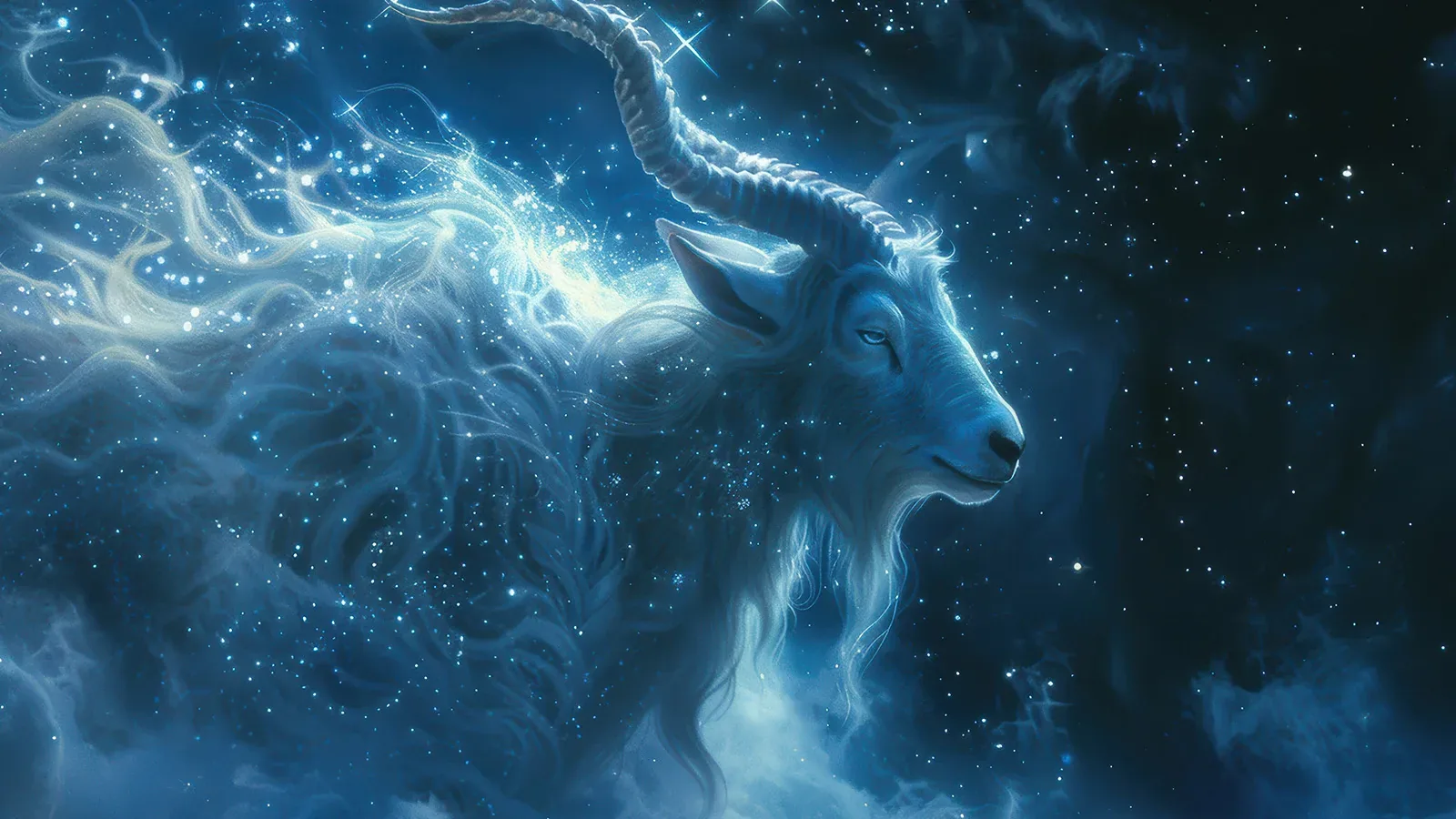
Sun in Capricorn
The architecture of ambition
The Sun enters Capricorn at the December solstice — the floor of the year, the point of least light. The sign that builds, and asks whether the structure serves or imprisons.
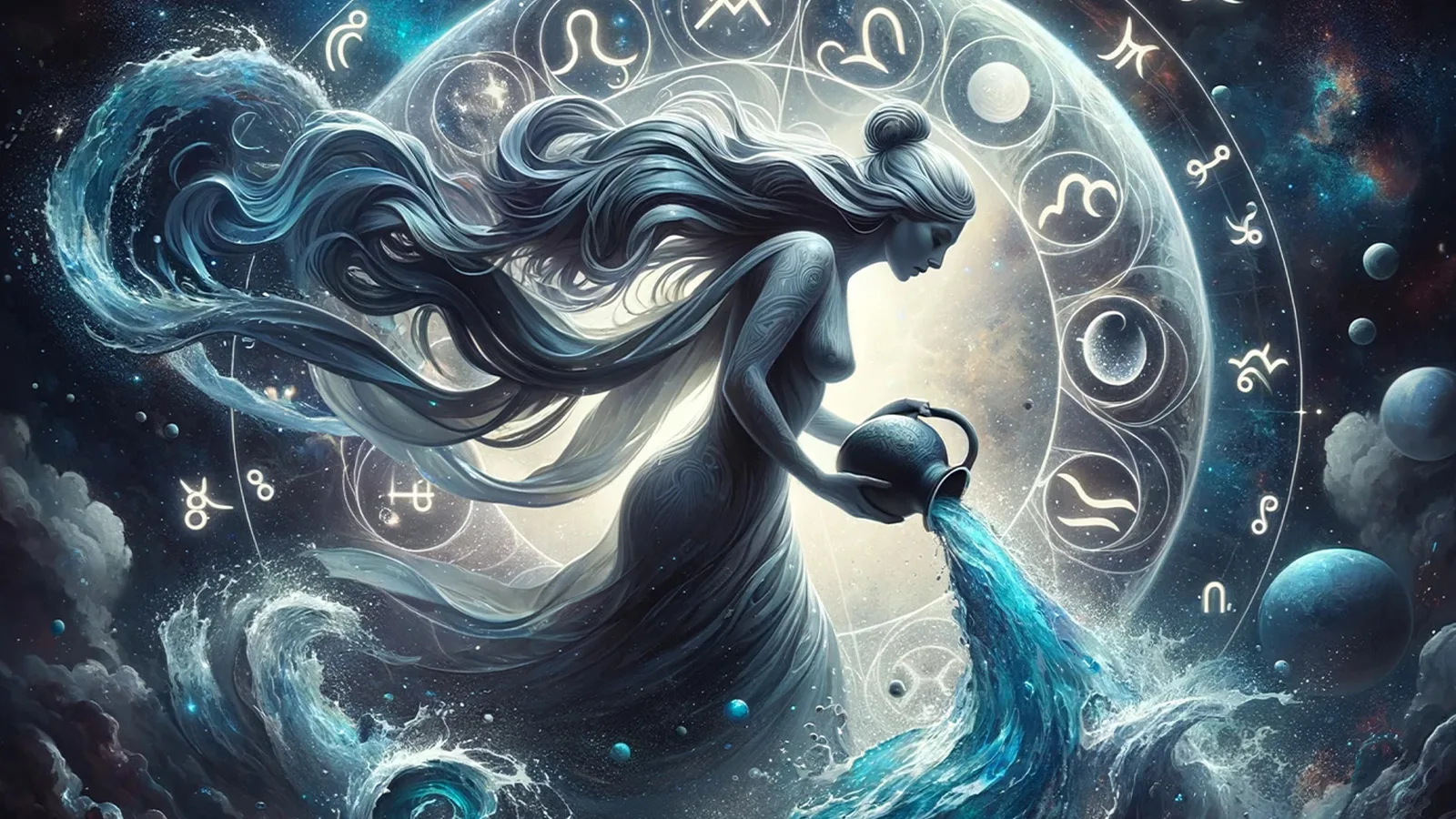
Sun in Aquarius
The frequency of the collective
To whom does an idea belong? Aquarius is structured around the tension between the individual who receives a vision and the collective that vision is meant to serve.
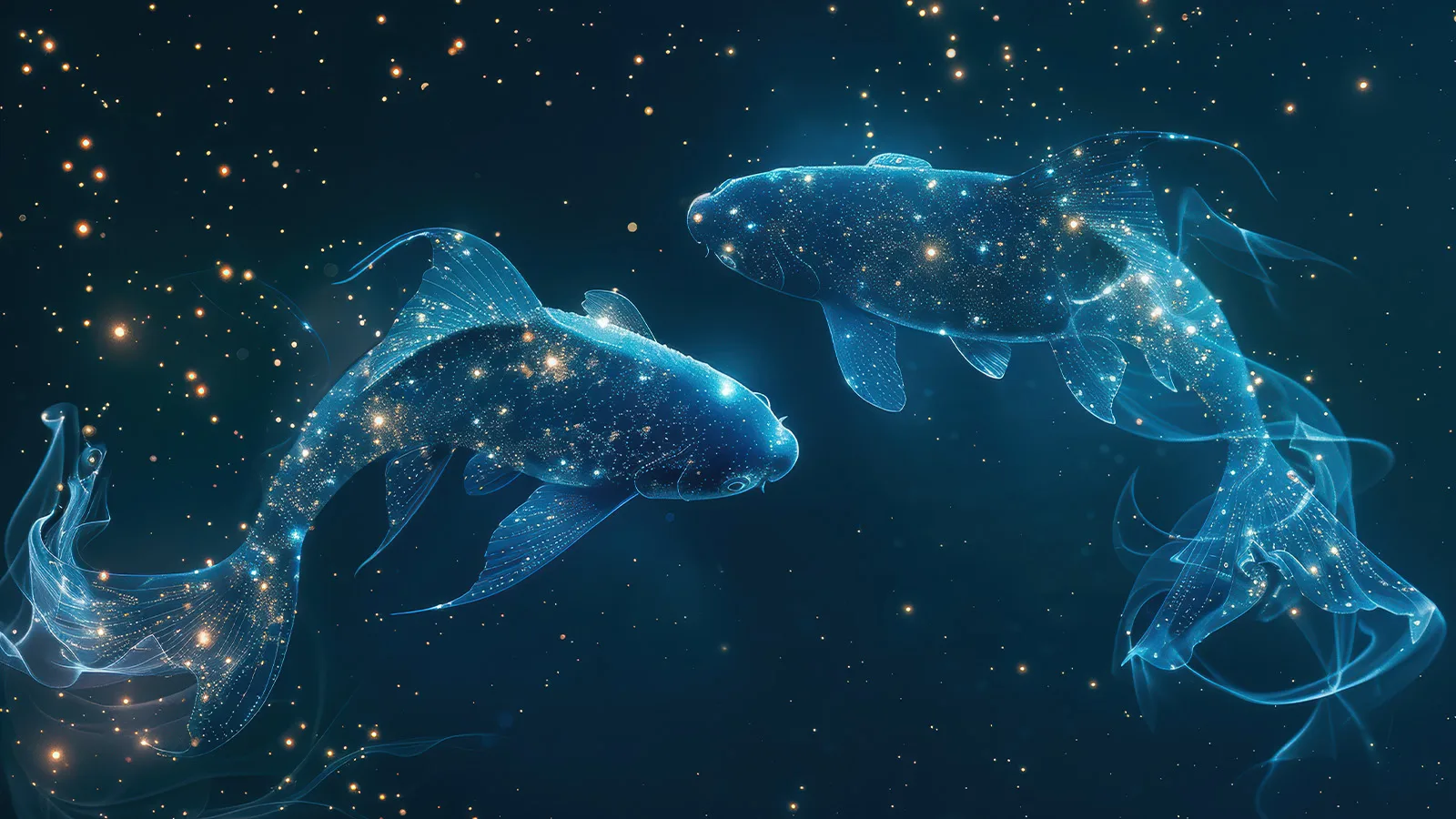
Sun in Pisces
The dissolution of boundaries
There is a kind of knowing that does not come through analysis. It arrives whole. Pisces dissolves the boundary between self and world — and finds what the other signs cannot reach.
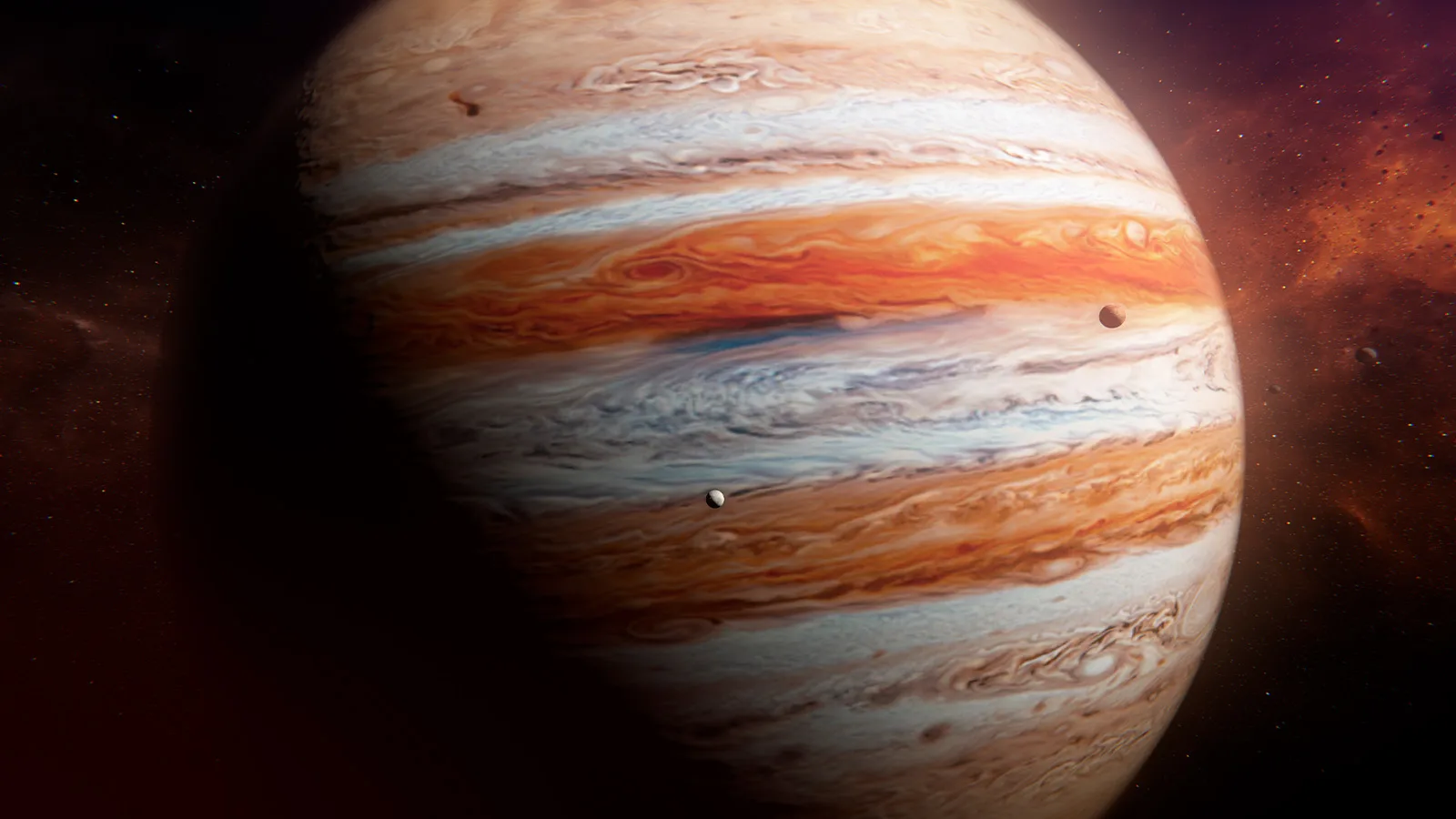
Jupiter in the natal chart
Expansion, meaning, and the search for more
Jupiter is the planet most people want to hear about. But the tradition behind Jupiter is more nuanced than the marketing. Jupiter does not distribute luck. It amplifies.
Mars in the natal chart
Drive, assertion, and the way you fight for what matters
Mars is the planet people tend to apologize for. As though desire, anger, and the willingness to act were character flaws rather than survival mechanisms.
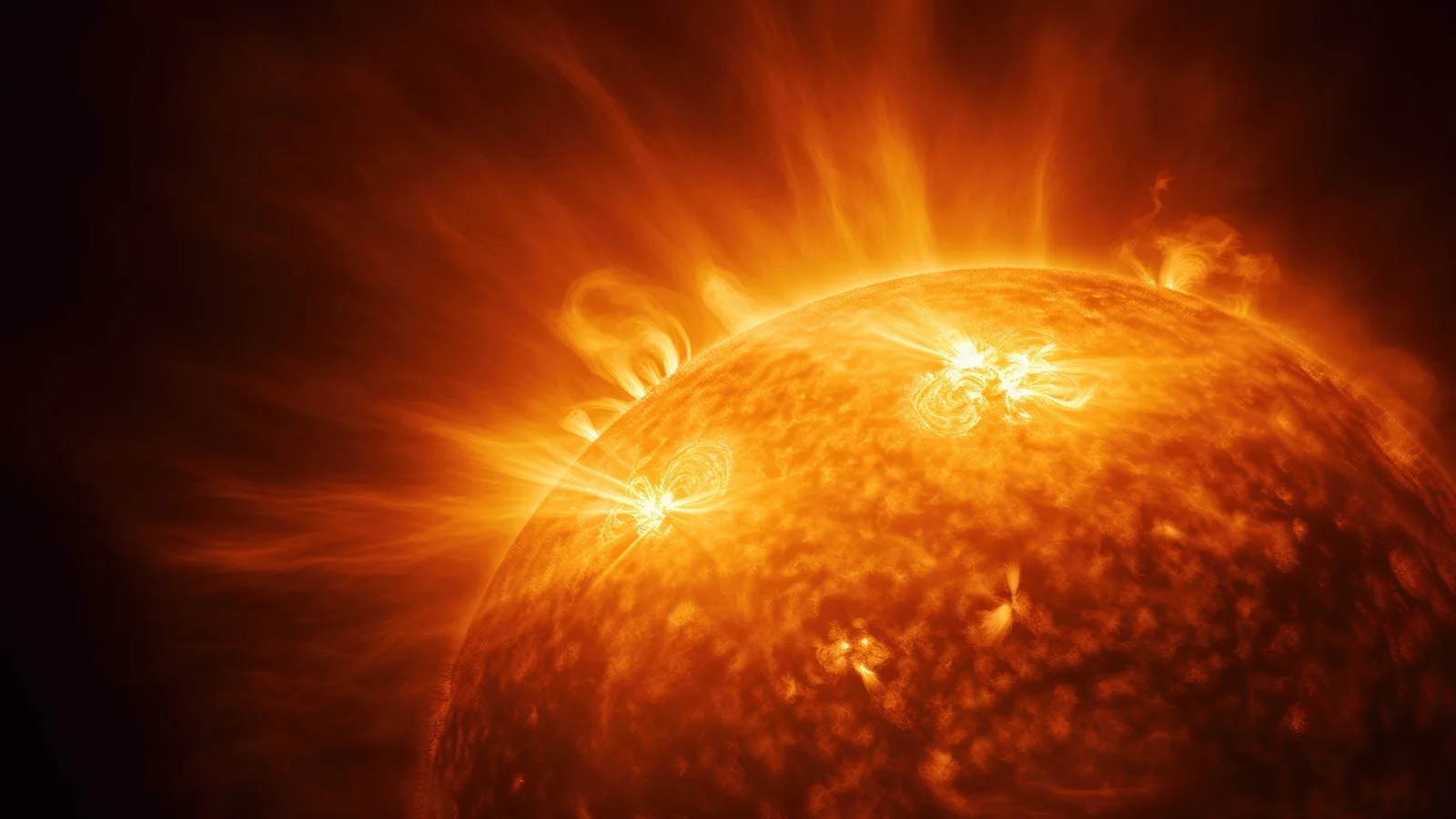
The Sun in the natal chart
Identity, vitality, and the question of who you are
The body that makes all observation possible is also the one most people reduce to a single adjective. What follows is an attempt to restore some complexity to the Sun.
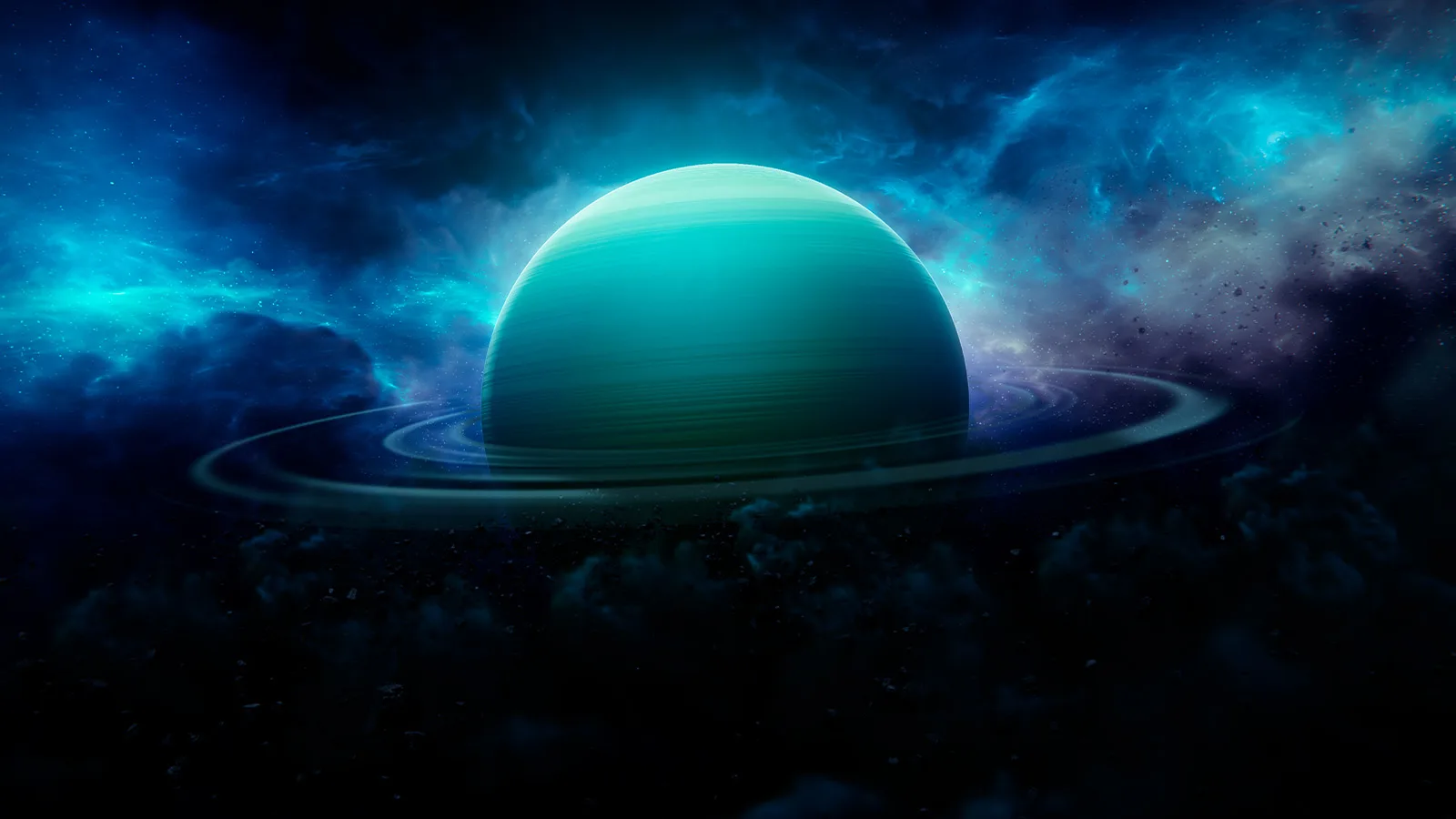
Uranus in the natal chart
Disruption, liberation, and the need to break free
Uranus takes 84 years to complete one orbit — meaning most people never experience a full Uranus return. Its position in your chart marks where you resist convention, sometimes without knowing why.

Neptune in the natal chart
Imagination, dissolution, and transcendence
Neptune was discovered in 1846 through mathematics alone — someone calculated where it should be before anyone could see it. In a natal chart, it operates similarly: felt before it is understood.

Pluto in the natal chart
Power, transformation, and what lies beneath
Reclassified, debated, and still exerting gravitational influence on everything around it — Pluto's role in the natal chart mirrors its astronomical story. Small, distant, and impossible to ignore.

Retrograde motion: astronomy and symbolism
The optical illusion that became a cultural phenomenon
Every few months, the internet reminds us that Mercury is retrograde. The anxiety is real; the mechanism behind it is worth examining more carefully.
Tropical vs. sidereal: two maps, one sky
The astronomical reason your Vedic chart looks different
If you have ever looked up your chart in both Western and Vedic astrology, you noticed the discrepancy. Neither has made a mistake.
House systems: why your chart changes shape
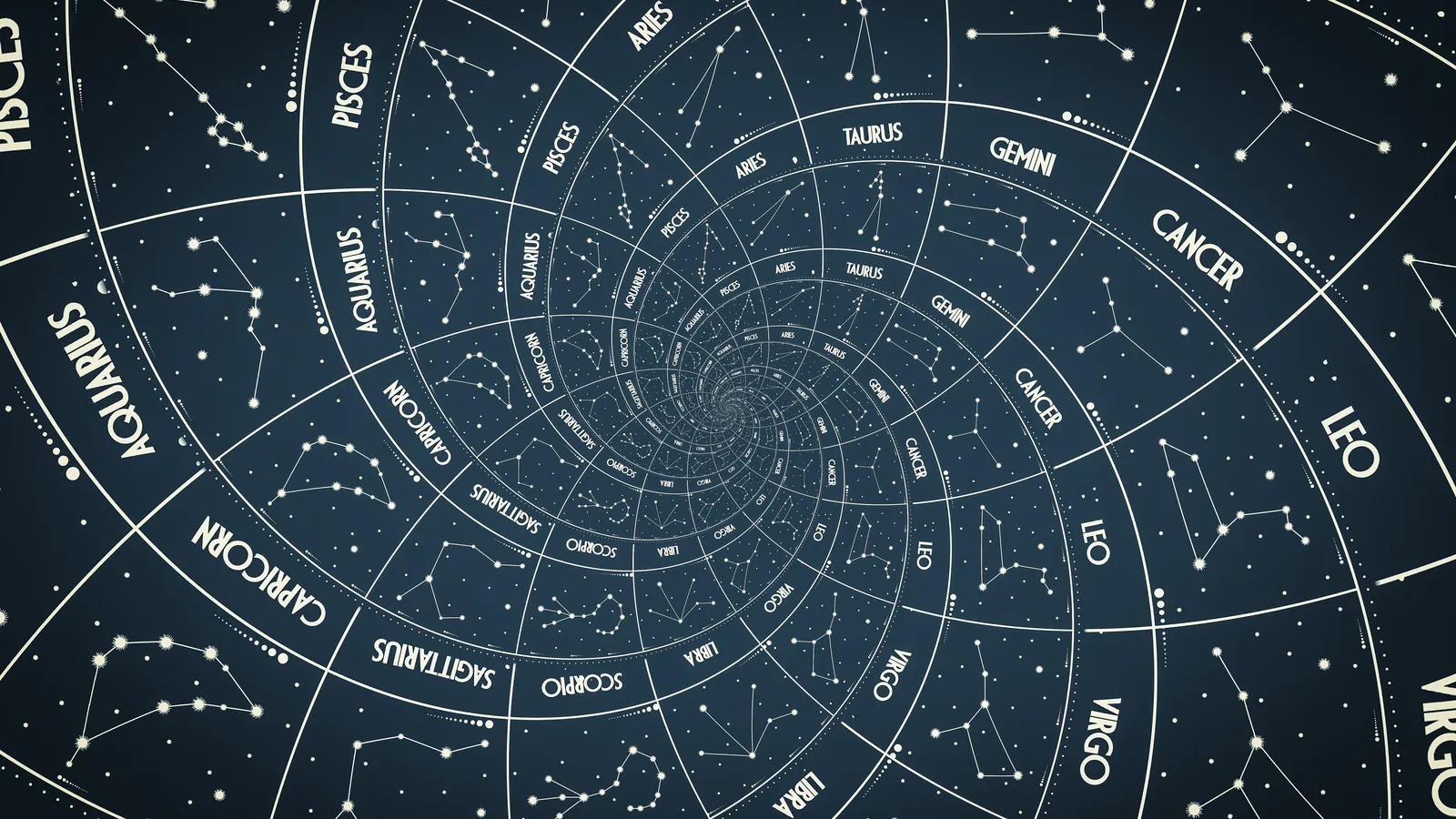
Why your chart changes shape when you change the house system — and how to think about which one to use.
The same birth data, the same sky, but different house systems place your planets in different houses. This isn't a bug — it's a genuine disagreement among astrologers about how to divide space.

Aries Rising: the door that opens outward
Fire, Mars, and the instinct to lead
With Aries rising, the person meets the world with the quality of a beginning: immediate, forward, unmediated by calculation or diplomacy.

Taurus Rising: the door that holds
Stillness as a first impression
When Taurus occupies the Ascendant, the person meets the world with steadiness. Not rigidity — steadiness.

Gemini Rising: the door with two handles
The face that asks two questions at once
Gemini rising meets the world with curiosity as its first instinct. Not a studied curiosity — a reflexive one.

Cancer Rising: the door that protects
Water, Moon, and the instinct to shelter
Cancer rising meets the world with a protective instinct that precedes thought. The first response is to assess safety.

Leo Rising: the door that shines
The entrance that reorganizes the room
Leo rising enters a room and the room organizes around the entrance. Not because of volume — because of presence.

Virgo Rising: the door that notices
Earth, Mercury, and the instinct to refine
Virgo rising meets the world with attention to what needs correction. The first instinct is to notice — and then to adjust.

Libra Rising: the door that balances
Charm with a calculation running behind it
Libra rising enters every situation already measuring the relational field. The first instinct is to balance — to find the midpoint.

Scorpio Rising: the door that guards
The door that reveals nothing
Scorpio rising meets the world with an intensity that is felt before it is understood. The first instinct is to assess what is hidden.

Sagittarius Rising: the door that opens wide
Something always bigger on the horizon
Sagittarius rising meets the world with an expectation of meaning. The first instinct is to look for the larger pattern.

Capricorn Rising: the door that earns
Earth, Saturn, and the instinct to build
Capricorn rising meets the world with a seriousness that is often mistaken for coldness. The first instinct is to measure the task.

Aquarius Rising: the door that faces sideways
The observer who never quite fits
Aquarius rising meets the world from a slightly different angle than everyone else. The first instinct is to observe from outside the frame.

Pisces Rising: the door without edges
No clear edge between self and room
Pisces rising meets the world without clear boundaries. The first instinct is to absorb — to take in the room before separating self from other.

Moon in Aries: the need to begin
Emotional fire, Mars instincts, and the drive to act
The Moon in Aries reaches for action. The emotional nature processes feeling through doing — needing to act in order to feel.

Moon in Taurus: the need to sustain
Emotional earth, Venus comfort, and the need for stability
The Moon in Taurus needs continuity. Emotional security comes through what can be touched, tasted, and relied upon.

Moon in Gemini: the need to name
Two feelings at once, both real
The Moon in Gemini processes emotion through language. The instinct is to name the feeling, to find words before the feeling settles.

Moon in Cancer: the need to hold
The body that holds what you can't say
The Moon in Cancer is in its domicile — the sign where its nature is most fully expressed. Emotional life is central, not peripheral.

Moon in Leo: the need to be seen
Feeling through visibility
The Moon in Leo needs recognition not as vanity but as emotional oxygen. To be seen is to feel real.

Moon in Virgo: the need to be useful
Emotional earth, Mercury precision, and care through service
The Moon in Virgo expresses care through competence. The emotional instinct is to fix, to improve, to make things work better.

Moon in Libra: the need for harmony
Other people's moods as weather
The Moon in Libra needs relational equilibrium. Emotional comfort depends on the state of the connections around it.

Moon in Scorpio: the need to know
The depth where feelings live, not float
The Moon in Scorpio processes emotion at depth. The instinct is not to express but to understand — to know what lies beneath.

Moon in Sagittarius: the need for meaning
Meaning as emotional oxygen
The Moon in Sagittarius needs emotional experience to mean something. Feelings without context feel incomplete.

Moon in Capricorn: the need to endure
The instinct to hold the feeling in
The Moon in Capricorn processes emotion through structure. The instinct is to contain, to manage, to endure before expressing.

Moon in Aquarius: the need to belong differently
Emotional air, Uranus detachment, and belonging on one's own terms
The Moon in Aquarius needs connection but resists conventional forms of it. Emotional security requires intellectual freedom.

Moon in Pisces: the need to dissolve
The edge between empathy and dissolution
The Moon in Pisces absorbs. The emotional field has no clear edges — feelings from others, from environments, from the collective drift in.
Start with your own chart
Calculate your natal chart with NASA JPL DE441 precision. Free, no account required.
Newsletter
A short reading once a month, in your inbox.
A note on the symbolism of the season, recent editorial pieces, and what to look for in next month's sky. No predictions.
Support this project
Independent, no venture funding, no ads. A contribution keeps Astrian precise and free.
Support on Ko-fi (opens in new tab)