The Total Solar Eclipse of August 12, 2026 in Spain
The complete photography planning guide for the 2026 total solar eclipse in Spain. Locations, equipment, settings, safety, and weather strategy.
The Complete Photography Planning Guide
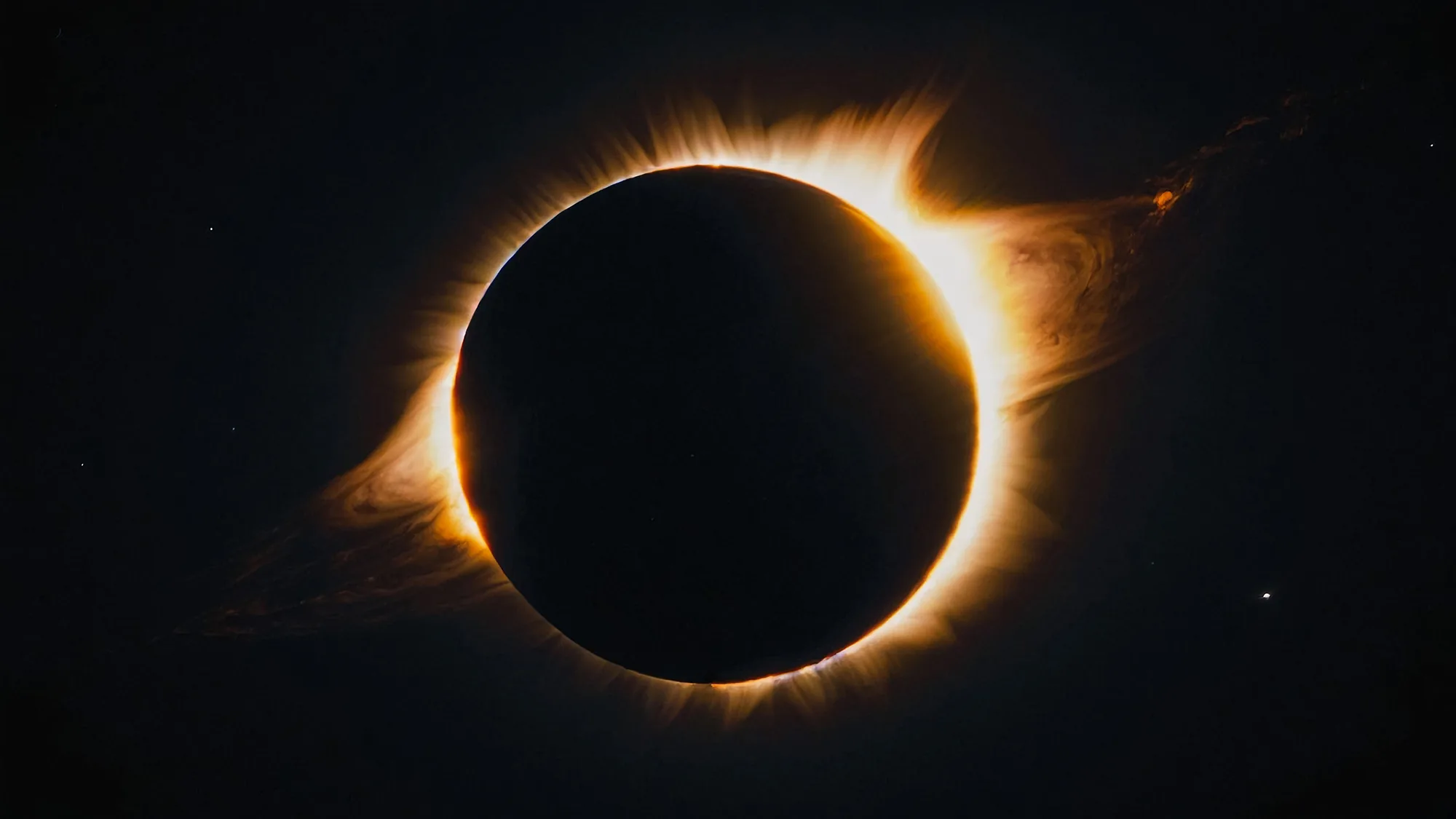
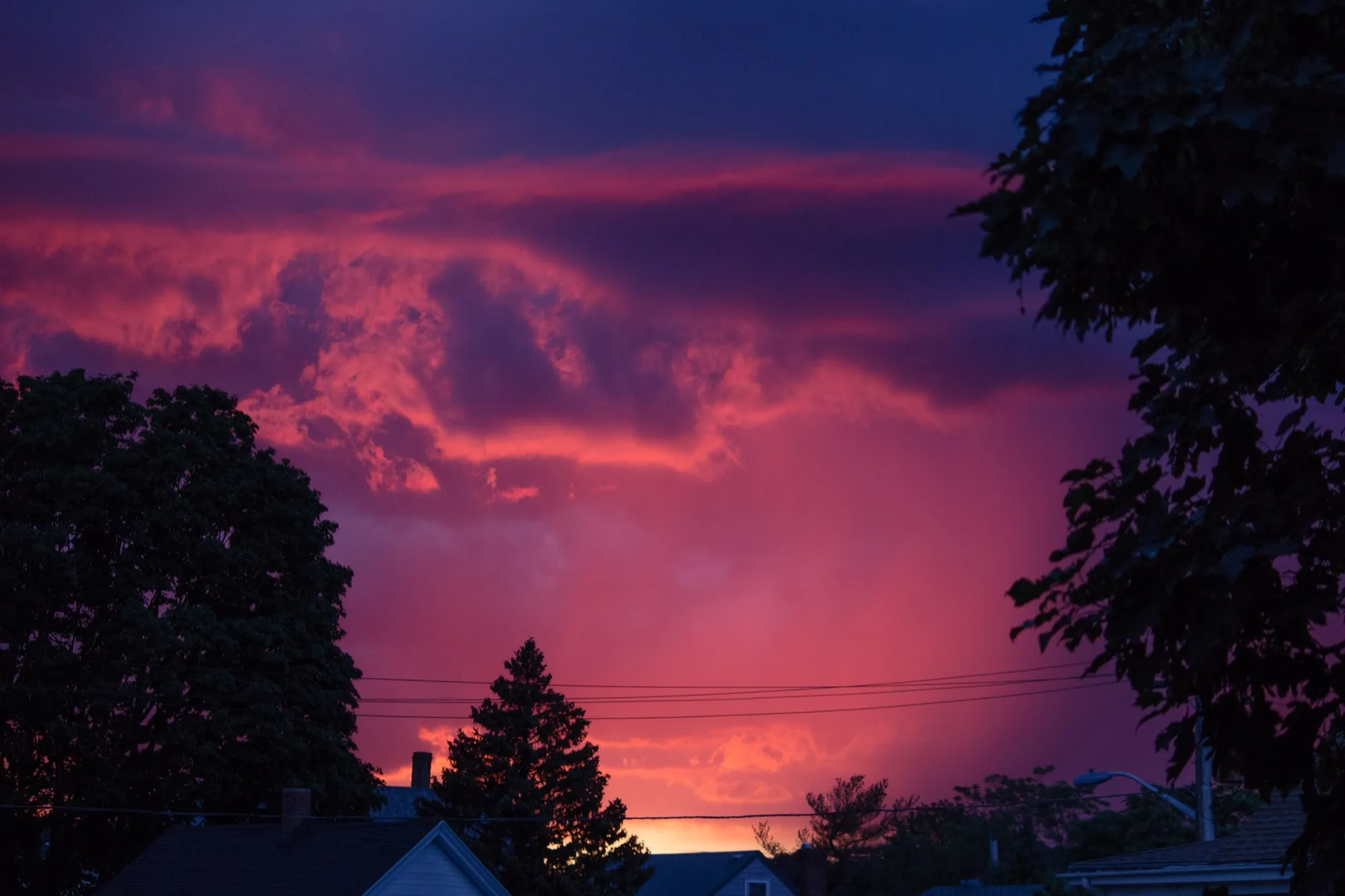
On the evening of August 12, 2026, the Moon will slide between the Earth and the Sun, and for roughly ninety seconds, day will become something else entirely across a 290-kilometre-wide corridor of northern Spain. The solar corona will bloom into view, a pearlescent halo suspended above the Spanish landscape in the amber light of an August evening.
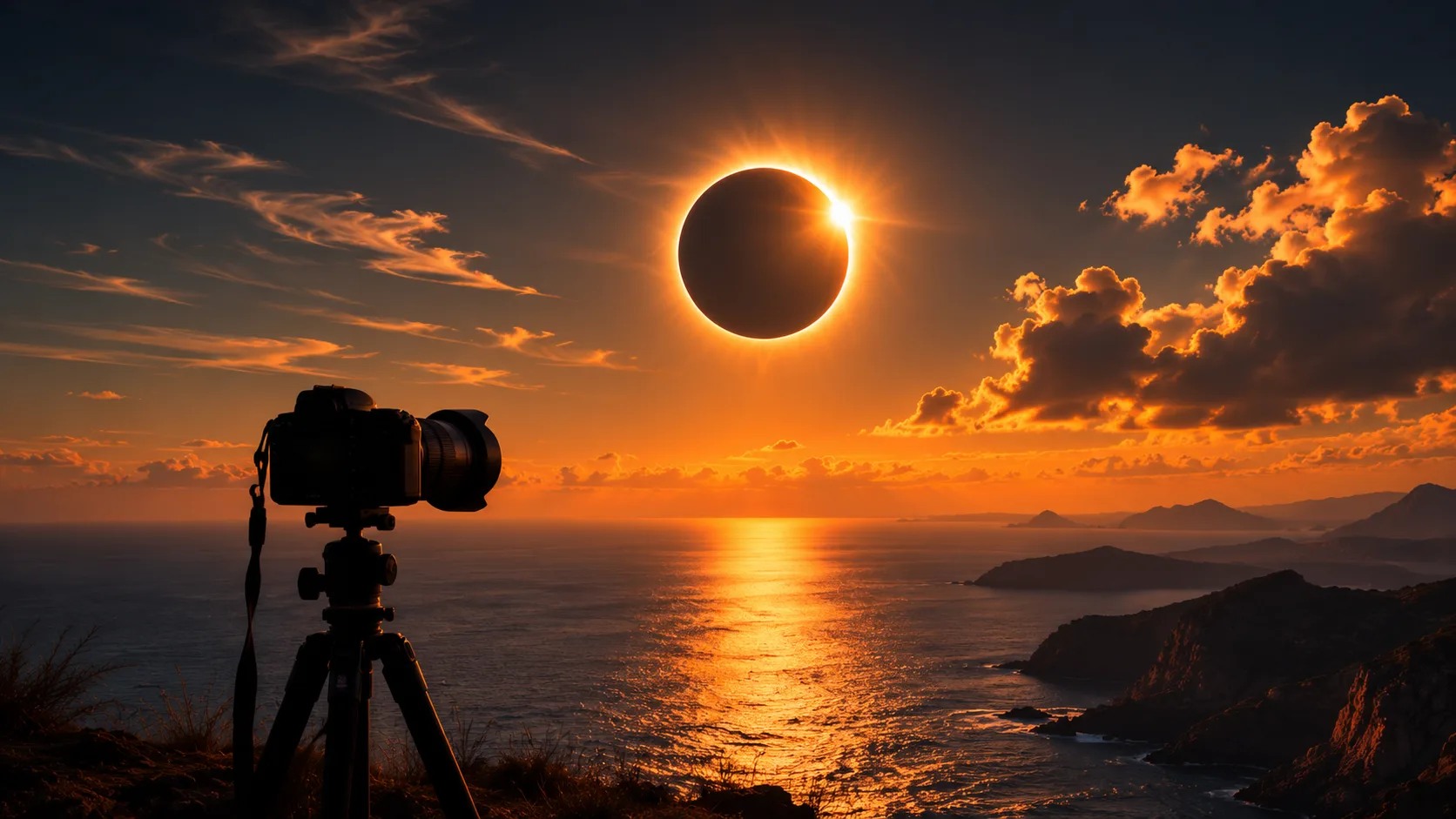
This is not a high-noon eclipse. The Sun will be between 2 and 12 degrees above the western horizon when totality occurs, depending on where you stand. That changes everything. It means the eclipsed Sun will be low enough to frame against cathedrals, coastlines, hilltop villages, and the burnt-gold fields of Castilla. It means the sky will already carry the warm tones of approaching sunset. It means the shadow of the Moon, racing across the peninsula at over 3,000 kilometres per hour, will arrive against a landscape that is itself transitioning into golden hour.
It is the first total solar eclipse visible from the Iberian Peninsula in 121 years. The last one crossed a remarkably similar path on August 30, 1905. The next one, on August 2, 2027, will cross southern Spain. Together with an annular eclipse on January 26, 2028, they form what astronomers are calling the Iberian trio. But the 2026 eclipse is the one that will define the series: it crosses the most populated areas, it happens during tourist season, and its low-Sun geometry makes it one of the most photogenic total solar eclipses of the decade.
This guide is for anyone who wants to be in the right place, with the right preparation, to photograph it.
What will happen, and when
The Moon's shadow will first touch Spain on the Atlantic coast of Galicia at approximately 20:26 local time (CEST). It will cross the entire peninsula from west to east in about six minutes, exiting over the Mediterranean near Castellon and continuing to the Balearic Islands, where totality will occur at roughly 20:30, just minutes before sunset, with the Sun barely 3 degrees above the water.
Totality times for key cities
| City | Totality begins | Duration | Sun altitude | Direction |
|---|---|---|---|---|
| A Coruña | 20:27 | 1m 16s | 12° | WNW |
| Oviedo | 20:27 | 1m 48s | 10° | WNW |
| León | 20:28 | 1m 44s | 10° | WNW |
| Bilbao | 20:27 | 0m 30s | 8° | WNW |
| Burgos | 20:28 | 1m 44s | 8° | WNW |
| Palencia | 20:29 | 1m 42s | 9° | WNW |
| Logroño | 20:28 | 1m 21s | 7° | WNW |
| Soria | 20:29 | 1m 42s | 7° | WNW |
| Zaragoza | 20:28 | 1m 24s | 6° | WNW |
| Teruel | 20:30 | 1m 33s | 5° | WNW |
| Castellón | 20:31 | 1m 34s | 4° | WNW |
| Valencia | 20:32 | 0m 59s | 4° | WNW |
| Palma | 20:30 | 1m 36s | 2° | WNW |
All times CEST (UTC+2). Local circumstances computed from NASA's Besselian elements (Espenak/GSFC) for the 12 August 2026 eclipse: contacts, duration of totality and the Sun's altitude at maximum. Each figure is for the city's urban centre, not the centroid of its municipality: near the edge of the path that difference shows.
Local circumstances, town by town
Times in mainland Spanish time (CEST, UTC+2). C1 is first contact, when the Moon touches the solar disc; C2 and C3 mark the start and end of totality. Altitude is the Sun's height above the horizon at maximum.
See the circumstances in all 273 places along the path ▸
| Town | Province | C1 | Totality begins | Maximum | Totality ends | Duration | Sun altitude |
|---|---|---|---|---|---|---|---|
| Coaña | Asturias | 1 min 50 s | 11° | ||||
| Navia | Asturias | 1 min 50 s | 11° | ||||
| Valdés | Asturias | 1 min 50 s | 11° | ||||
| Belmonte de Miranda | Asturias | 1 min 49 s | 10° | ||||
| Candamo | Asturias | 1 min 49 s | 10° | ||||
| Cudillero | Asturias | 1 min 49 s | 11° | ||||
| El Franco | Asturias | 1 min 49 s | 11° | ||||
| Grado | Asturias | 1 min 49 s | 10° | ||||
| Las Regueras | Asturias | 1 min 49 s | 10° | ||||
| Lena | Asturias | 1 min 49 s | 10° | ||||
| Mieres | Asturias | 1 min 49 s | 10° | ||||
| Morcín | Asturias | 1 min 49 s | 10° | ||||
| Pravia | Asturias | 1 min 49 s | 10° | ||||
| Proaza | Asturias | 1 min 49 s | 10° | ||||
| Quirós | Asturias | 1 min 49 s | 10° | ||||
| Ribera de Arriba | Asturias | 1 min 49 s | 10° | ||||
| Riosa | Asturias | 1 min 49 s | 10° | ||||
| Salas | Asturias | 1 min 49 s | 10° | ||||
| Santo Adriano | Asturias | 1 min 49 s | 10° | ||||
| Tapia de Casariego | Asturias | 1 min 49 s | 11° | ||||
| Tineo | Asturias | 1 min 49 s | 11° | ||||
| Villayón | Asturias | 1 min 49 s | 11° | ||||
| Yernes y Tameza | Asturias | 1 min 49 s | 10° | ||||
| Aller | Asturias | 1 min 48 s | 10° | ||||
| Boal | Asturias | 1 min 48 s | 11° | ||||
| Boñar | León | 1 min 48 s | 10° | ||||
| Burela | Lugo | 1 min 48 s | 11° | ||||
| Cármenes | León | 1 min 48 s | 10° | ||||
| Castrillón | Asturias | 1 min 48 s | 10° | ||||
| Castropol | Asturias | 1 min 48 s | 11° | ||||
| Cebanico | León | 1 min 48 s | 9° | ||||
| Cistierna | León | 1 min 48 s | 9° | ||||
| Illas | Asturias | 1 min 48 s | 10° | ||||
| La Ercina | León | 1 min 48 s | 9° | ||||
| La Vecilla | León | 1 min 48 s | 10° | ||||
| Langreo | Asturias | 1 min 48 s | 10° | ||||
| Laviana | Asturias | 1 min 48 s | 10° | ||||
| Llanera | Asturias | 1 min 48 s | 10° | ||||
| Matallana de Torío | León | 1 min 48 s | 10° | ||||
| Muros de Nalón | Asturias | 1 min 48 s | 10° | ||||
| Oviedo | Asturias | 1 min 48 s | 10° | ||||
| Puebla de Lillo | León | 1 min 48 s | 10° | ||||
| Reyero | León | 1 min 48 s | 10° | ||||
| Ribadeo | Lugo | 1 min 48 s | 11° | ||||
| Sabero | León | 1 min 48 s | 9° | ||||
| San Martín del Rey Aurelio | Asturias | 1 min 48 s | 10° | ||||
| Somiedo | Asturias | 1 min 48 s | 10° | ||||
| Soto del Barco | Asturias | 1 min 48 s | 10° | ||||
| Teverga | Asturias | 1 min 48 s | 10° | ||||
| Valdelugueros | León | 1 min 48 s | 10° | ||||
| Valdepiélago | León | 1 min 48 s | 10° | ||||
| Vegacervera | León | 1 min 48 s | 10° | ||||
| Vegaquemada | León | 1 min 48 s | 10° | ||||
| Villamanín | León | 1 min 48 s | 10° | ||||
| Abia de las Torres | Palencia | 1 min 47 s | 9° | ||||
| Acebedo | León | 1 min 47 s | 10° | ||||
| Almanza | León | 1 min 47 s | 9° | ||||
| Avilés | Asturias | 1 min 47 s | 10° | ||||
| Ayuela | Palencia | 1 min 47 s | 9° | ||||
| Bárcena de Campos | Palencia | 1 min 47 s | 9° | ||||
| Barreiros | Lugo | 1 min 47 s | 11° | ||||
| Bimenes | Asturias | 1 min 47 s | 10° | ||||
| Buenavista de Valdavia | Palencia | 1 min 47 s | 9° | ||||
| Bustillo de la Vega | Palencia | 1 min 47 s | 9° | ||||
| Caso | Asturias | 1 min 47 s | 10° | ||||
| Castrillo de Villavega | Palencia | 1 min 47 s | 9° | ||||
| Cervo | Lugo | 1 min 47 s | 11° | ||||
| Congosto de Valdavia | Palencia | 1 min 47 s | 9° | ||||
| Corvera de Asturias | Asturias | 1 min 47 s | 10° | ||||
| Crémenes | León | 1 min 47 s | 9° | ||||
| Cubillas de Rueda | León | 1 min 47 s | 9° | ||||
| Foz | Lugo | 1 min 47 s | 11° | ||||
| Fresno del Río | Palencia | 1 min 47 s | 9° | ||||
| Garrafe de Torío | León | 1 min 47 s | 10° | ||||
| Gradefes | León | 1 min 47 s | 9° | ||||
| Guardo | Palencia | 1 min 47 s | 9° | ||||
| Illano | Asturias | 1 min 47 s | 11° | ||||
| La Pola de Gordón | León | 1 min 47 s | 10° | ||||
| La Robla | León | 1 min 47 s | 10° | ||||
| Mantinos | Palencia | 1 min 47 s | 9° | ||||
| Maraña | León | 1 min 47 s | 10° | ||||
| Noreña | Asturias | 1 min 47 s | 10° | ||||
| Pedrosa de la Vega | Palencia | 1 min 47 s | 9° | ||||
| Pino del Río | Palencia | 1 min 47 s | 9° | ||||
| Poza de la Vega | Palencia | 1 min 47 s | 9° | ||||
| Prado de la Guzpeña | León | 1 min 47 s | 9° | ||||
| Prioro | León | 1 min 47 s | 9° | ||||
| Riaño | León | 1 min 47 s | 9° | ||||
| Saldaña | Palencia | 1 min 47 s | 9° | ||||
| San Emiliano | León | 1 min 47 s | 10° | ||||
| Santa Colomba de Curueño | León | 1 min 47 s | 10° | ||||
| Sena de Luna | León | 1 min 47 s | 10° | ||||
| Siero | Asturias | 1 min 47 s | 10° | ||||
| Sobrescobio | Asturias | 1 min 47 s | 10° | ||||
| Valderrueda | León | 1 min 47 s | 9° | ||||
| Vegadeo | Asturias | 1 min 47 s | 11° | ||||
| Vegas del Condado | León | 1 min 47 s | 10° | ||||
| Villamartín de Don Sancho | León | 1 min 47 s | 9° | ||||
| Villaselán | León | 1 min 47 s | 9° | ||||
| Villazanzo de Valderaduey | León | 1 min 47 s | 9° | ||||
| Xove | Lugo | 1 min 47 s | 11° | ||||
| Gijón | Asturias | 1 min 46 s | 10° | ||||
| Viveiro | Lugo | 1 min 46 s | 12° | ||||
| Almazán | Soria | 1 min 44 s | 7° | ||||
| Burgo de Osma-Ciudad de Osma | Soria | 1 min 44 s | 7° | ||||
| Burgos | Burgos | 1 min 44 s | 8° | ||||
| León | León | 1 min 44 s | 10° | ||||
| San Andrés del Rabanedo | León | 1 min 44 s | 10° | ||||
| Aguilar de Campoo | Palencia | 1 min 43 s | 9° | ||||
| Aranda de Duero | Burgos | 1 min 42 s | 8° | ||||
| Calamocha | Teruel | 1 min 42 s | 6° | ||||
| Palencia | Palencia | 1 min 42 s | 9° | ||||
| Soria | Soria | 1 min 42 s | 7° | ||||
| Calatayud | Zaragoza | 1 min 41 s | 6° | ||||
| Venta de Baños | Palencia | 1 min 41 s | 9° | ||||
| Benicarló | Castelló/Castellón | 1 min 39 s | 4° | ||||
| Andorra | Teruel | 1 min 37 s | 5° | ||||
| Ólvega | Soria | 1 min 37 s | 7° | ||||
| Briviesca | Burgos | 1 min 36 s | 8° | ||||
| Calanda | Teruel | 1 min 36 s | 5° | ||||
| Palma | Illes Balears | 1 min 36 s | 2° | ||||
| Ágreda | Soria | 1 min 34 s | 7° | ||||
| Castelló de la Plana/Castellón de la Plana | Castelló/Castellón | 1 min 34 s | 4° | ||||
| Inca | Illes Balears | 1 min 34 s | 2° | ||||
| Manacor | Illes Balears | 1 min 34 s | 2° | ||||
| Teruel | Teruel | 1 min 34 s | 5° | ||||
| Alcañiz | Teruel | 1 min 33 s | 5° | ||||
| Astorga | León | 1 min 33 s | 10° | ||||
| Narón | A Coruña | 1 min 33 s | 12° | ||||
| La Bañeza | León | 1 min 31 s | 10° | ||||
| Tortosa | Tarragona | 1 min 31 s | 4° | ||||
| Vila-real | Castelló/Castellón | 1 min 31 s | 4° | ||||
| Borriana/Burriana | Castelló/Castellón | 1 min 30 s | 4° | ||||
| Ferrol | A Coruña | 1 min 29 s | 12° | ||||
| Cuarte de Huerva | Zaragoza | 1 min 28 s | 6° | ||||
| Valladolid | Valladolid | 1 min 27 s | 9° | ||||
| Cistérniga | Valladolid | 1 min 26 s | 8° | ||||
| Haro | La Rioja | 1 min 26 s | 8° | ||||
| Arnedo | La Rioja | 1 min 25 s | 7° | ||||
| Cantalejo | Segovia | 1 min 25 s | 8° | ||||
| Cintruénigo | Navarra | 1 min 25 s | 7° | ||||
| la Vall d'Uixó | Castelló/Castellón | 1 min 25 s | 4° | ||||
| Arroyo de la Encomienda | Valladolid | 1 min 24 s | 9° | ||||
| Lardero | La Rioja | 1 min 24 s | 7° | ||||
| Miranda de Ebro | Burgos | 1 min 24 s | 8° | ||||
| Ponferrada | León | 1 min 24 s | 10° | ||||
| Utebo | Zaragoza | 1 min 24 s | 6° | ||||
| Zaragoza | Zaragoza | 1 min 24 s | 6° | ||||
| Corella | Navarra | 1 min 23 s | 7° | ||||
| Laguna de Duero | Valladolid | 1 min 23 s | 9° | ||||
| Lugo | Lugo | 1 min 23 s | 11° | ||||
| Benavente | Zamora | 1 min 22 s | 9° | ||||
| Cuéllar | Segovia | 1 min 22 s | 8° | ||||
| Medina de Pomar | Burgos | 1 min 22 s | 8° | ||||
| Logroño | La Rioja | 1 min 21 s | 7° | ||||
| Tudela | Navarra | 1 min 21 s | 7° | ||||
| Torrelavega | Cantabria | 1 min 20 s | 9° | ||||
| Calahorra | La Rioja | 1 min 17 s | 7° | ||||
| Oyón-Oion | Araba/Álava | 1 min 17 s | 7° | ||||
| A Coruña | A Coruña | 1 min 16 s | 12° | ||||
| Sarria | Lugo | 1 min 12 s | 11° | ||||
| Rubiá | Ourense | 1 min 11 s | 10° | ||||
| Camargo | Cantabria | 1 min 9 s | 9° | ||||
| El Astillero | Cantabria | 1 min 9 s | 9° | ||||
| Maó | Illes Balears | 1 min 9 s | 2° | ||||
| Marchamalo | Guadalajara | 1 min 9 s | 7° | ||||
| Salou | Tarragona | 1 min 7 s | 4° | ||||
| Guadalajara | Guadalajara | 1 min 6 s | 7° | ||||
| Arteixo | A Coruña | 1 min 5 s | 12° | ||||
| Fraga | Huesca | 1 min 5 s | 5° | ||||
| Landete | Cuenca | 1 min 5 s | 5° | ||||
| Eivissa | Illes Balears | 1 min 4 s | 3° | ||||
| Ejea de los Caballeros | Zaragoza | 1 min 4 s | 6° | ||||
| Vitoria-Gasteiz | Araba/Álava | 1 min 4 s | 8° | ||||
| Cabanillas del Campo | Guadalajara | 1 min 3 s | 7° | ||||
| Santander | Cantabria | 1 min 3 s | 9° | ||||
| Burjassot | València/Valencia | 1 min 2 s | 4° | ||||
| O Barco de Valdeorras | Ourense | 1 min 2 s | 11° | ||||
| Reus | Tarragona | 1 min 2 s | 4° | ||||
| Paterna | València/Valencia | 1 min 1 s | 4° | ||||
| Amurrio | Araba/Álava | 1 min 0 s | 8° | ||||
| La Lastrilla | Segovia | 1 min 0 s | 8° | ||||
| Tarragona | Tarragona | 1 min 0 s | 4° | ||||
| Alovera | Guadalajara | 59 s | 7° | ||||
| València | València/Valencia | 59 s | 4° | ||||
| Mislata | València/Valencia | 58 s | 4° | ||||
| Medina del Campo | Valladolid | 57 s | 9° | ||||
| Segovia | Segovia | 56 s | 8° | ||||
| Sariñena | Huesca | 55 s | 5° | ||||
| A Rúa | Ourense | 54 s | 11° | ||||
| Azuqueca de Henares | Guadalajara | 54 s | 7° | ||||
| Cuenca | Cuenca | 53 s | 6° | ||||
| Agurain/Salvatierra | Araba/Álava | 51 s | 8° | ||||
| Estella-Lizarra | Navarra | 51 s | 7° | ||||
| Laudio/Llodio | Araba/Álava | 51 s | 8° | ||||
| Real Sitio de San Ildefonso | Segovia | 50 s | 8° | ||||
| Tafalla | Navarra | 50 s | 7° | ||||
| Zaidín | Huesca | 49 s | 5° | ||||
| Torrent | València/Valencia | 47 s | 4° | ||||
| Carballo | A Coruña | 45 s | 12° | ||||
| Toro | Zamora | 44 s | 9° | ||||
| Almudévar | Huesca | 42 s | 6° | ||||
| Alcarràs | Lleida | 41 s | 5° | ||||
| Castro-Urdiales | Cantabria | 41 s | 8° | ||||
| Monforte de Lemos | Lugo | 41 s | 11° | ||||
| Colmenar Viejo | Madrid | 40 s | 7° | ||||
| Eskoriatza | Gipuzkoa | 40 s | 8° | ||||
| Alcalá de Henares | Madrid | 39 s | 7° | ||||
| Arcas | Cuenca | 38 s | 6° | ||||
| El Vendrell | Tarragona | 38 s | 4° | ||||
| Huete | Cuenca | 38 s | 6° | ||||
| Palacios de Goda | Ávila | 38 s | 8° | ||||
| San Sebastián de los Reyes | Madrid | 36 s | 7° | ||||
| Agolada | Pontevedra | 35 s | 11° | ||||
| Barakaldo | Bizkaia | 35 s | 8° | ||||
| Aretxabaleta | Gipuzkoa | 33 s | 8° | ||||
| les Borges Blanques | Lleida | 32 s | 5° | ||||
| Villar de Olalla | Cuenca | 32 s | 6° | ||||
| Arévalo | Ávila | 28 s | 8° | ||||
| Bilbao | Bizkaia | 28 s | 8° | ||||
| Lleida | Lleida | 28 s | 5° | ||||
| Portugalete | Bizkaia | 28 s | 8° | ||||
| Santurtzi | Bizkaia | 28 s | 8° | ||||
| Oñati | Gipuzkoa | 27 s | 8° | ||||
| Torrejón de Ardoz | Madrid | 26 s | 7° | ||||
| Villaralbo | Zamora | 26 s | 9° | ||||
| A Pobra de Trives | Ourense | 25 s | 11° | ||||
| Binaced | Huesca | 24 s | 5° | ||||
| Cubelles | Barcelona | 24 s | 4° | ||||
| Alcobendas | Madrid | 23 s | 7° | ||||
| Arrasate/Mondragón | Gipuzkoa | 23 s | 8° | ||||
| Alpicat | Lleida | 22 s | 5° | ||||
| Sinlabajos | Ávila | 20 s | 8° | ||||
| Castro Caldelas | Ourense | 19 s | 11° | ||||
| Zamora | Zamora | 16 s | 9° | ||||
| Almacelles | Lleida | 15 s | 5° | ||||
| Getxo | Bizkaia | 15 s | 8° | ||||
| Moraleja del Vino | Zamora | 15 s | 9° | ||||
| Aldeaseca | Ávila | 13 s | 8° | ||||
| Vilanova i la Geltrú | Barcelona | 11 s | 4° | ||||
| Adanero | Ávila | 10 s | 8° | ||||
| Rodeiro | Pontevedra | 10 s | 11° | ||||
| Castellet i la Gornal | Barcelona | 9 s | 4° | ||||
| Legazpi | Gipuzkoa | 6 s | 8° | ||||
| Huesca | Huesca | — | — | Partial, 99.9% of the Sun’s diameter | 6° | ||
| Madrid | Madrid | — | — | Partial, 99.9% of the Sun’s diameter | 7° | ||
| Pamplona/Iruña | Navarra | — | — | Partial, 99.9% of the Sun’s diameter | 7° | ||
| Ávila | Ávila | — | — | Partial, 99.8% of the Sun’s diameter | 8° | ||
| Barcelona | Barcelona | — | — | Partial, 99.8% of the Sun’s diameter | 4° | ||
| Ourense | Ourense | — | — | Partial, 99.8% of the Sun’s diameter | 11° | ||
| Donostia/San Sebastián | Gipuzkoa | — | — | Partial, 99.7% of the Sun’s diameter | 8° | ||
| Pontevedra | Pontevedra | — | — | Partial, 99.6% of the Sun’s diameter | 12° | ||
| Salamanca | Salamanca | — | — | Partial, 99.6% of the Sun’s diameter | 9° | ||
| Albacete | Albacete | — | — | Partial, 99.3% of the Sun’s diameter | 5° | ||
| Toledo | Toledo | — | — | Partial, 99.3% of the Sun’s diameter | 7° | ||
| Alacant/Alicante | Alacant/Alicante | — | — | Partial, 99.1% of the Sun’s diameter | 4° | ||
| Girona | Girona | — | — | Partial, 98.9% of the Sun’s diameter | 4° | ||
| Ciudad Real | Ciudad Real | — | — | Partial, 98.2% of the Sun’s diameter | 7° | ||
| Murcia | Murcia | — | — | Partial, 98.2% of the Sun’s diameter | 4° | ||
| Cáceres | Cáceres | — | — | Partial, 97.4% of the Sun’s diameter | 9° | ||
| Jaén | Jaén | — | — | Partial, 96.5% of the Sun’s diameter | 6° | ||
| Badajoz | Badajoz | — | — | Partial, 96.1% of the Sun’s diameter | 9° | ||
| Córdoba | Córdoba | — | — | Partial, 96.1% of the Sun’s diameter | 7° | ||
| Almería | Almería | — | — | Partial, 95.8% of the Sun’s diameter | 4° | ||
| Granada | Granada | — | — | Partial, 95.7% of the Sun’s diameter | 5° | ||
| Málaga | Málaga | — | — | Partial, 94.5% of the Sun’s diameter | 6° | ||
| Sevilla | Sevilla | — | — | Partial, 94.5% of the Sun’s diameter | 7° | ||
| Huelva | Huelva | — | — | Partial, 93.7% of the Sun’s diameter | 8° | ||
| Cádiz | Cádiz | — | — | Partial, 92.9% of the Sun’s diameter | 7° | ||
| Melilla | Melilla | — | — | Partial, 92.9% of the Sun’s diameter | 4° | ||
| Ceuta | Ceuta | — | — | Partial, 92.5% of the Sun’s diameter | 6° | ||
| Las Palmas de Gran Canaria | Las Palmas | — | — | Partial, 69.7% of the Sun’s diameter | 10° | ||
| Santa Cruz de Tenerife | Santa Cruz de Tenerife | — | — | Partial, 69.7% of the Sun’s diameter | 11° |
273 towns: every provincial capital, the hundred longest totalities, and the most populated municipalities of each province the path crosses. Computed by us from NASA JPL DE441 (Celesta) · elementos besselianos canónicos.
Why climbing higher does not guarantee seeing totality
At Potes, four points inside the same municipality, measured against the Copernicus GLO-30 elevation model. Elevation rises at all four. The outcome does not follow it.
| Elevation | Clearance above terrain | Result |
|---|---|---|
| 299.6 m | +0.0° | The Sun grazes the ridge |
| 331.6 m | +1.4° | Clear |
| 578.5 m | −14.7° | Hidden |
| 845.4 m | +4.5° | Clear |
At 331.6 metres the Sun clears the terrain, and at 845.4 metres it clears it too. Between them, at 578.5 metres, it is hidden: 247 metres higher than the first, and no eclipse. The same answer on either side of a point that loses it. In the Sun's azimuth, the terrain rises from 7.9° at the 331.6 metre point to 24.0° at the 578.5 metre one. Elevation does not order the outcome.
670 metres from the main square in Potes, inside the same municipality, the Sun grazes the ridge exactly. Changing the outcome does not require climbing a mountain: it requires changing what stands in front of you.
Across 2,130 points spread over the municipality, 635 of them, 29.8%, have a clearance of less than 0.6°, while the solar disc measures 0.526° from edge to edge. 419, or 19.7%, fall within a single semidiameter: at nearly one point in five, the terrain cuts into the disc.
The partial eclipse begins roughly an hour before totality, around 19:30-19:38 depending on location. But the real show is the last ten minutes. The light changes. Shadows sharpen. The temperature drops. And then, for somewhere between 30 seconds and 1 minute 48 seconds, the Sun disappears.
What you will see during those seconds: the solar corona, a shimmering halo of plasma extending millions of kilometres into space. Venus visible to the southwest. The horizon glowing 360 degrees around you, a ring of sunset in every direction. Depending on solar activity, prominences at the limb of the Moon.
Why this eclipse is different for photographers
Most total solar eclipses happen with the Sun high in the sky. The 2024 eclipse peaked at 50-60 degrees altitude. You point up, you shoot up, and the landscape is not part of the frame.
The 2026 eclipse is the opposite. The Sun at 2-12 degrees above the horizon is low enough to include foreground in a telephoto shot. A 200mm lens aimed at the Sun will also capture the silhouette of a hilltop, a church tower, a line of cypress trees. The corona will be tinged amber by atmospheric scattering.
This creates a category of photograph that is extremely rare: the eclipse-with-landscape. In most eclipses, you choose between a close-up of the corona and a wide shot of the darkened sky. Here, a mid-range telephoto can capture both. The corona and the Spanish terrain beneath it.
The trade-off: atmospheric turbulence, heat haze, and extinction at the horizon. The corona will not be as crisp as at high altitude. But the compositional possibilities are unmatched.
The eight best locations
1. Cabo Penas, Asturias
Northernmost cape of the Asturian coast. 360-degree horizon over the Cantabrian Sea. Sun at 10.3 degrees, the highest of the eight recommended locations. Totality 1m 45s. Lighthouse for foreground composition. Risk: 45-55% cloud cover in August. High reward, high risk.
43.6553 N, 5.8481 W
2. Picos de Europa
Mountain viewpoints above 1,500m can rise above coastal cloud. Mirador del Cable or Lagos de Covadonga. Totality 1m 42s. Risk: mountain weather, extreme road congestion. Arrive the day before.
(Mirador del Cable) 43.1547 N, 4.8195 W
3. Meseta de Castilla: Burgos to Palencia
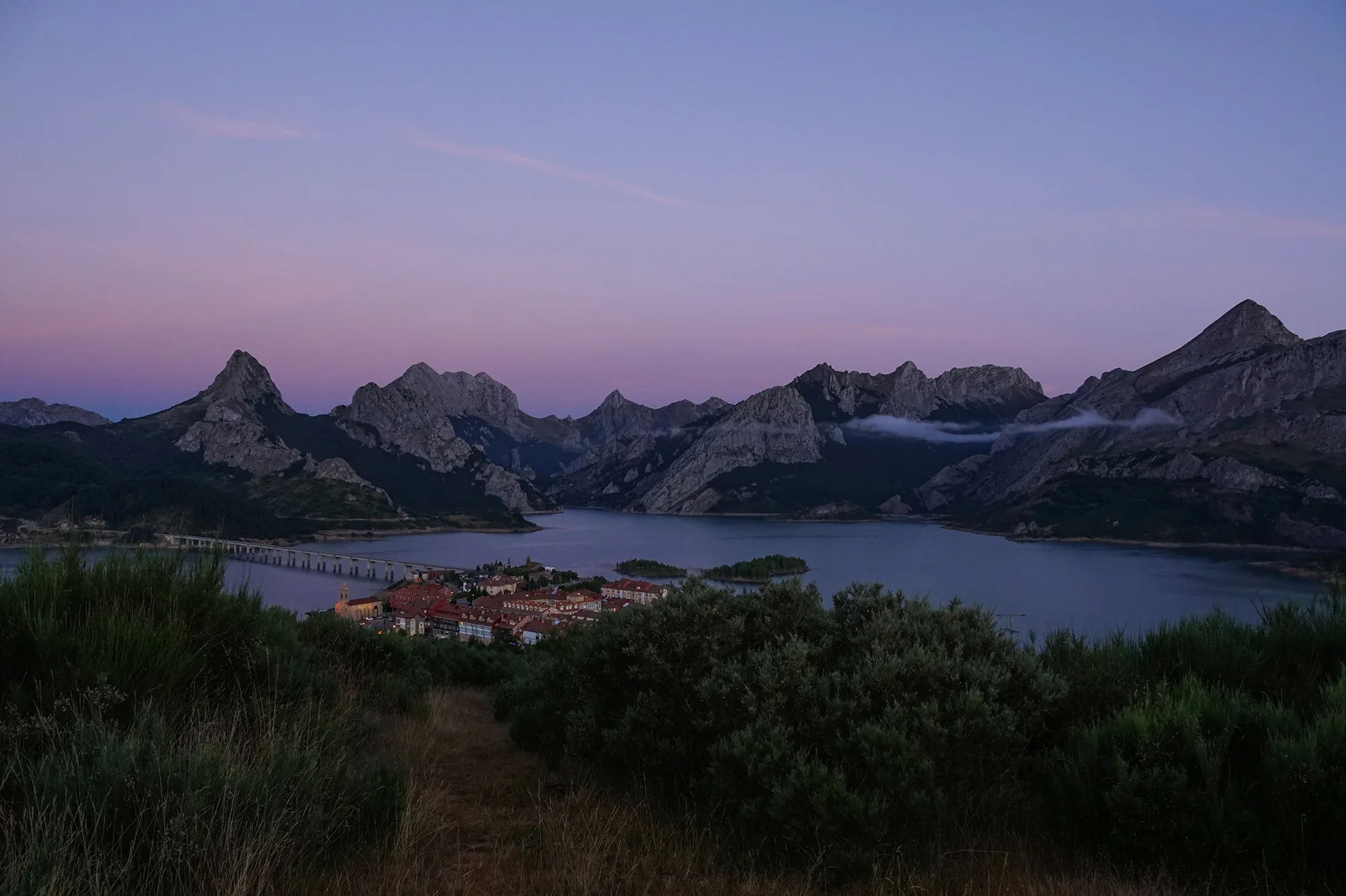
High plains at 800m. Flat horizon in every direction. On the centerline. 1m 44s on the centre line; Palencia 1m 42s, Burgos 1m 44s. Excellent clear sky probability. The safe choice: highest probability of actually seeing the eclipse. Golden wheat fields, Romanesque churches.
(centerline) 42.3500 N, 3.7000 W
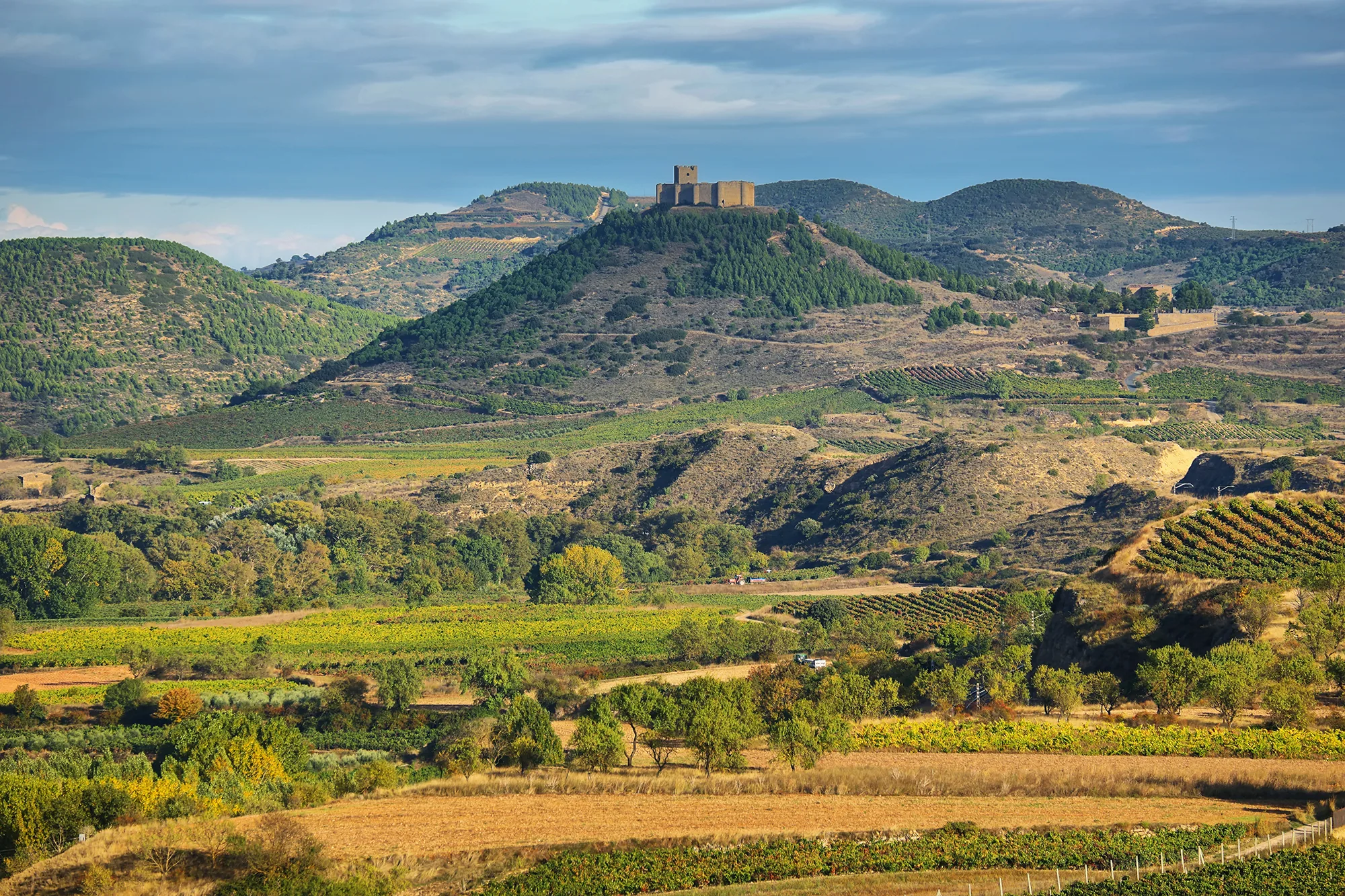
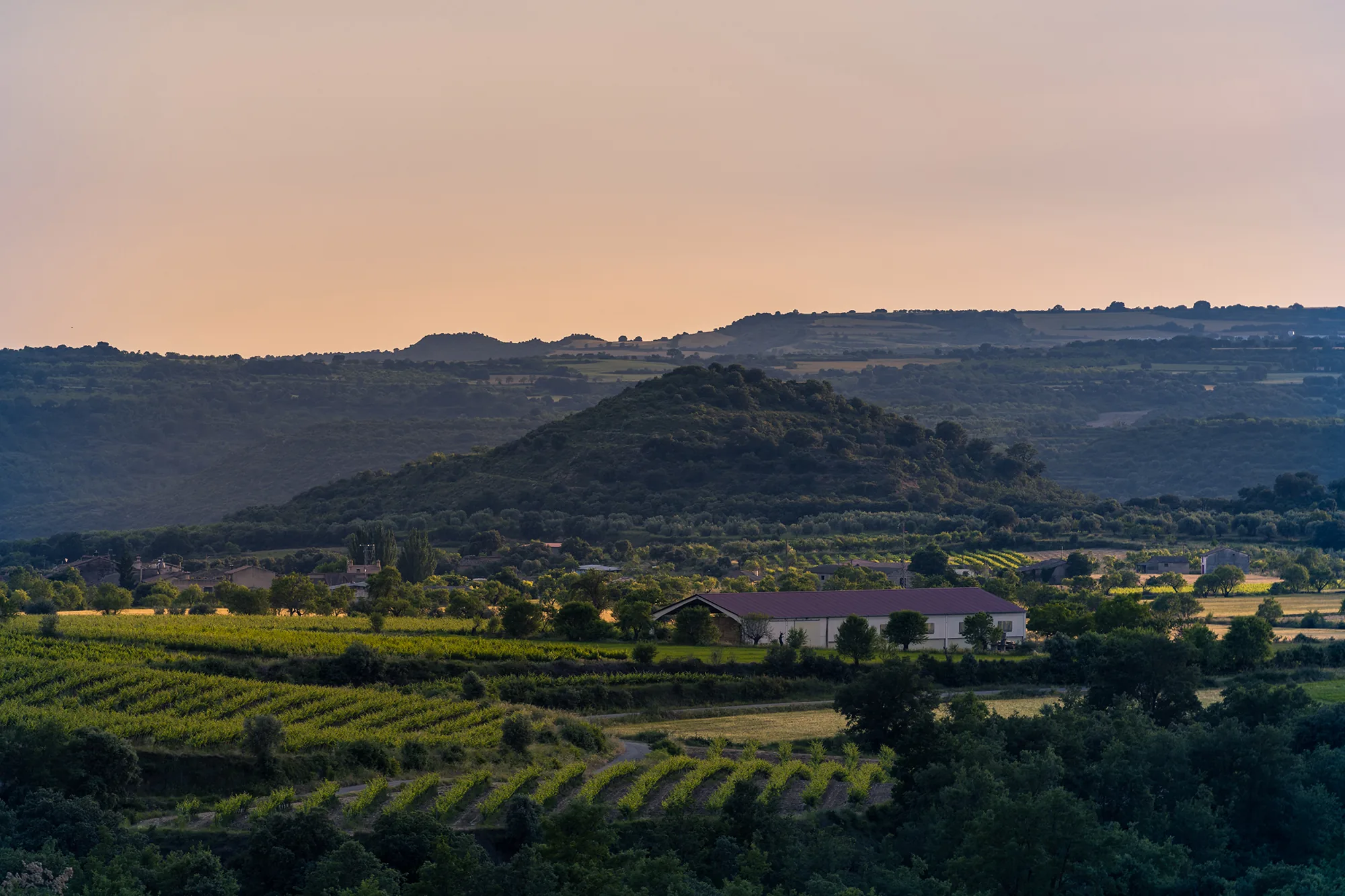
4. Rioja wine country
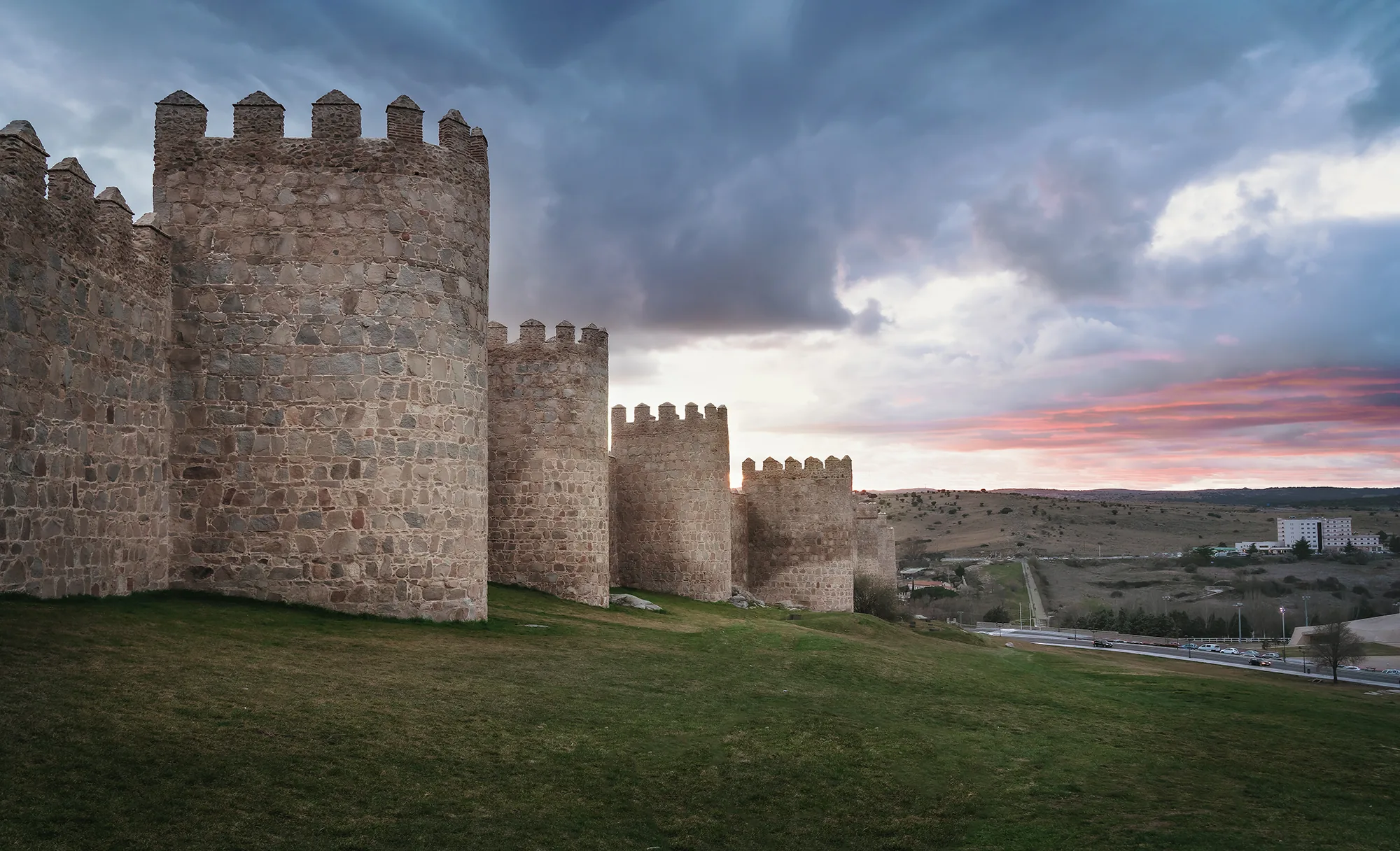
Vineyards, medieval villages, the Ebro valley. Totality 1m 24s. A totality framed by vineyard rows with a hilltop village silhouetted against the corona is the kind of image that defines an eclipse.
(San Vicente de la Sonsierra) 42.5733 N, 2.7600 W
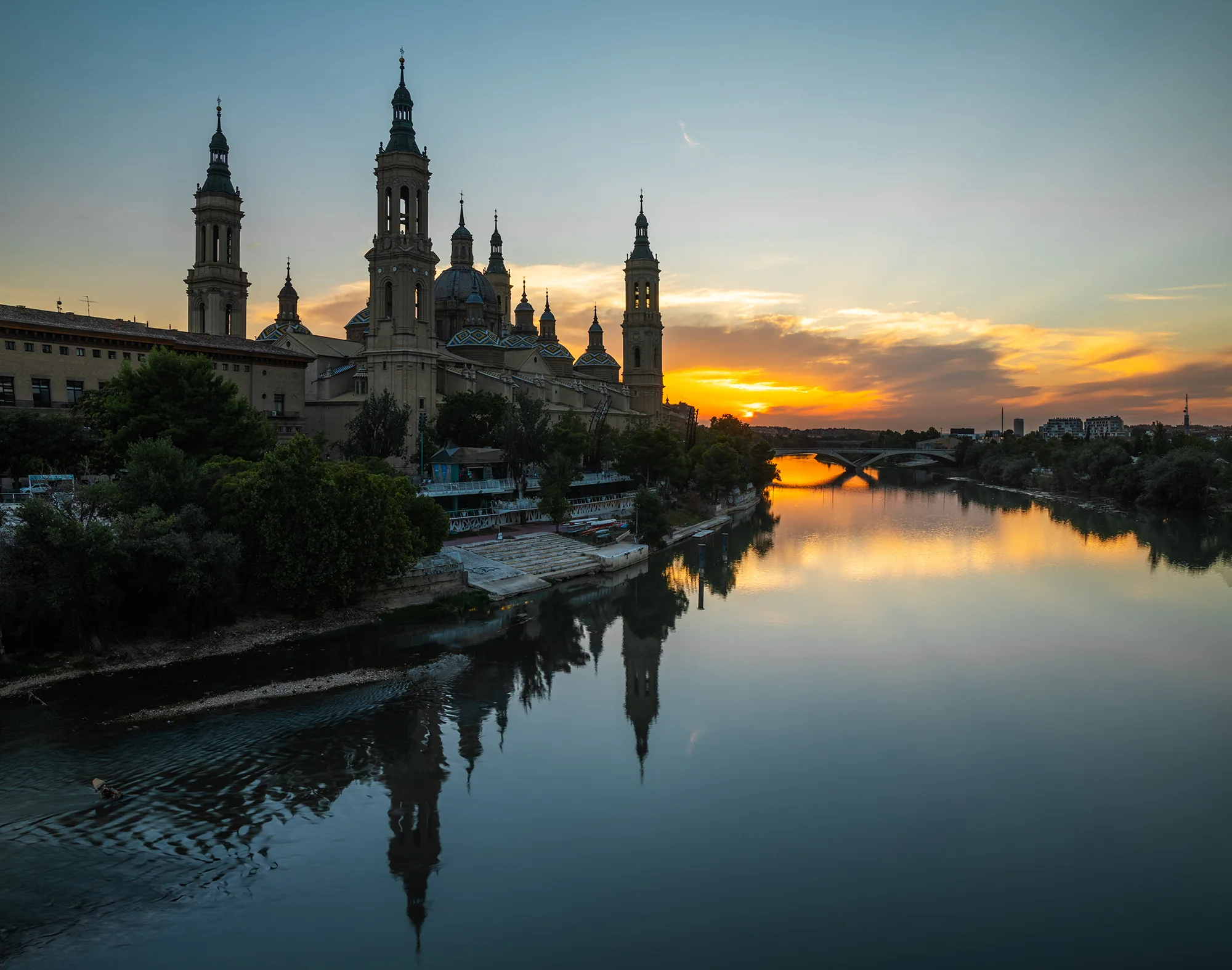
5. Zaragoza
Ebro River floodplain. Clear skies on 18 of 21 August days studied (satellite data). The single best weather location on the entire eclipse path. 70-75% clear sky probability. Totality 1m 25s. Basilica del Pilar on the Ebro as foreground. Trade-off: lower Sun altitude (5.9 degrees). But clear sky at 5.9 degrees beats clouds at 10 degrees.
41.6488 N, 0.8891 W
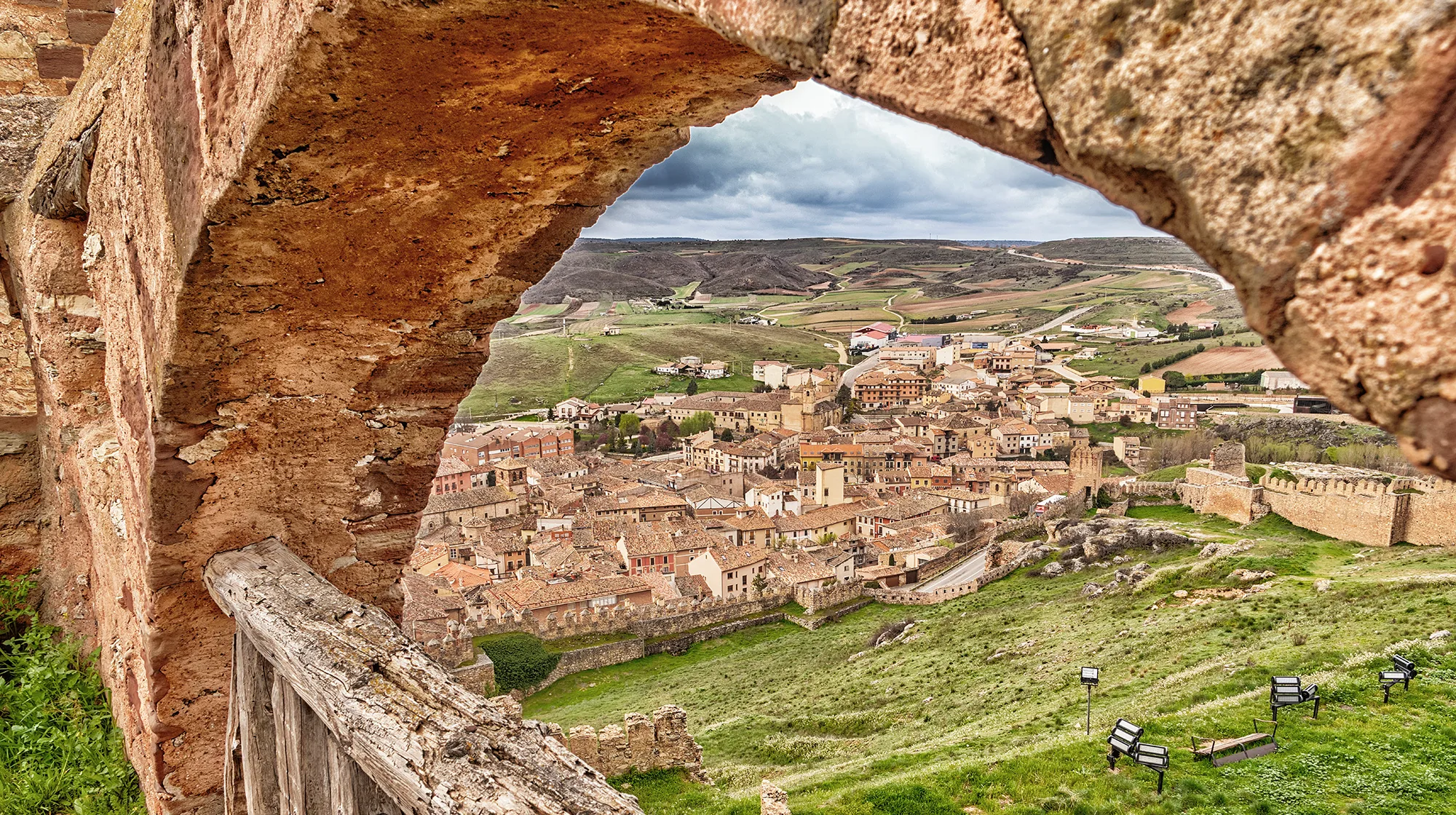
6. Alcaniz, Teruel
12th-century castle on a hilltop. Commanding views. Chosen by Sky and Telescope for their official expedition. Totality 1m 33s. Good clear sky probability.
41.0489 N, 0.1322 W
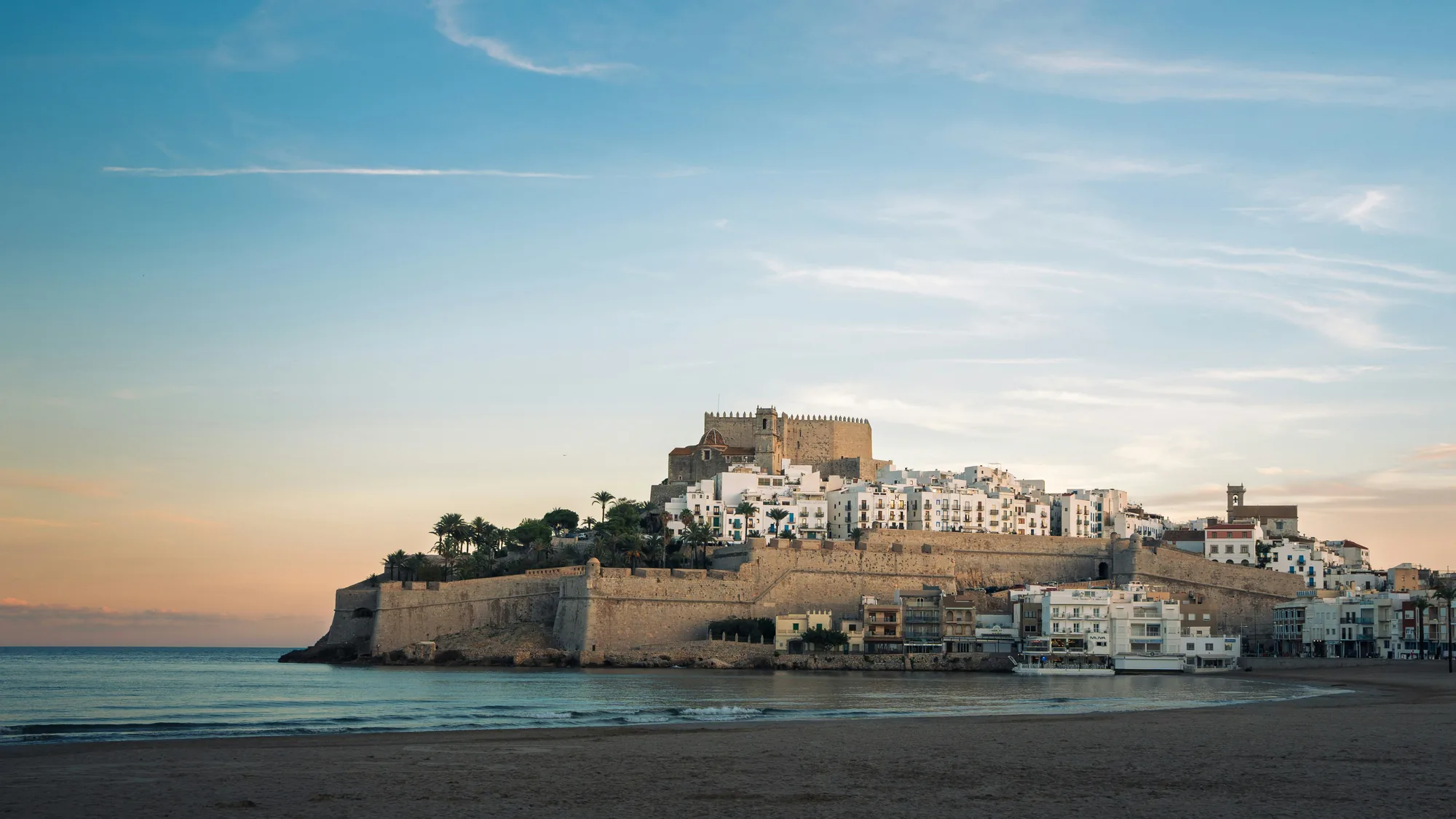
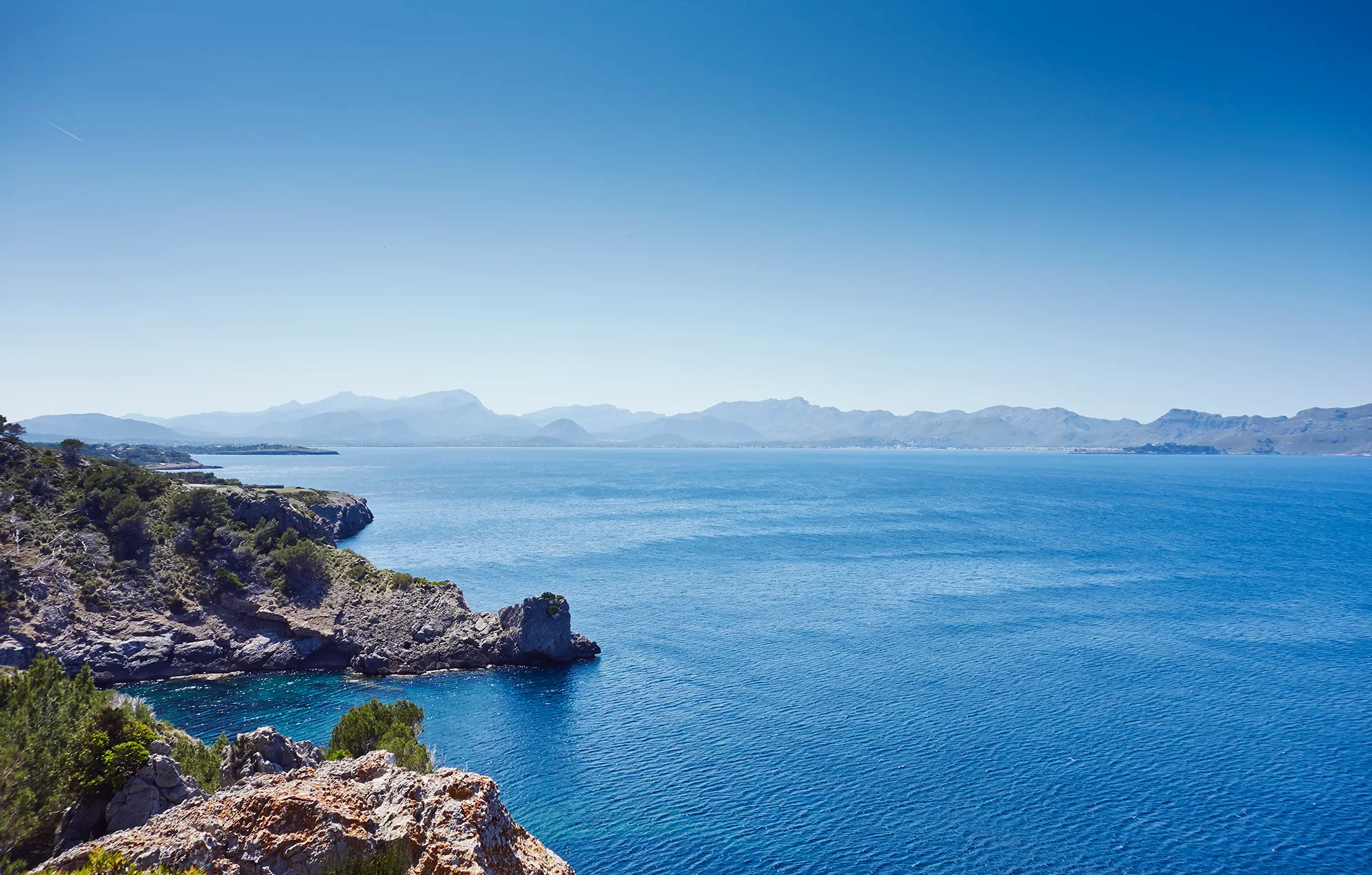
7. Valencia and Castellon coast
The eclipsed Sun about 4 degrees above the water. Low enough for dramatic atmospheric effects and amber-tinged corona, with the Mediterranean as foreground. Peñíscola 1m 39s, Castellón 1m 34s, Valencia 0m 59s (near the edge of the path, shorter totality). Risk: atmospheric extinction at low altitude. For experienced photographers.
(Peniscola) 40.3596 N, 0.4093 E
8. Palma de Mallorca
Centerline crosses just south of Palma. 1m 36s totality. Best overall clear sky probability, approximately 75%. Sun at 2.3 degrees. The closest to a sunset eclipse visible from land in Spain. Elevated viewpoints essential.
(Cap de Formentor) 39.9636 N, 3.1648 E
Eclipse day timeline
August 12, 2026
Equipment guide
Smartphone photographers (first eclipse)
Do NOT photograph the Sun during partial phases. The result will be a blown-out white disc. Instead, photograph the changing light and crescent shadows during the last 15 minutes before totality. The strange, flat quality of the light. The crescent-shaped shadows under trees.
There is a second reason, and it matters more than picture quality: you can destroy the sensor. The problem is not the lens but what sits behind it. A phone's optics work like a magnifying glass, concentrating solar energy onto a tiny surface. A single snapshot rarely causes harm; during an eclipse the phone stays pointed at the Sun for seconds or minutes at a time, and that is where the risk climbs.
The damage usually does not show up while you are shooting. It appears afterwards as permanently dead pixels, white or coloured dots, and in bad cases burnt bands that are only fixed by replacing the camera module.
Two things make it worse:
- Zoom compounds the problem. Magnifying the Sun concentrates more light onto less sensor area. At wide angle the Sun covers few pixels and the energy spreads out.
- Shooting video is no safer than a photo. During the partial phases what counts is how long the sensor sits exposed to an unfiltered Sun, and video extends it. During totality there is no risk, because the disc is covered.
If you intend to shoot the partial phases with a phone, you need a solar filter in front of the lens, exactly as your eyes need certified glasses. Suitable filters start around 30 euros. Without one the advice is simple: put the phone away until totality.
During totality ONLY (when the Sun is fully covered and it is dark): remove your eclipse glasses, point your phone at the Sun, and shoot video. The corona will be visible, Venus will be bright, and the 360-degree horizon glow will be dramatic. Video captures the experience better than a single photo.
After totality: photograph the people around you. The reaction of a crowd seeing their first total eclipse is as powerful as the eclipse itself.
What to bring: your phone (fully charged, storage cleared), certified solar eclipse glasses (ISO 12312-2), a small phone tripod.
What NOT to buy: clip-on "eclipse lenses" for phones marketed online. Most are poor quality and give worse results than the naked phone camera.
Enthusiast photographers (DSLR or mirrorless)
The two-camera approach is strongly recommended.
Camera 1, telephoto, the eclipse close-up: lens 200-400mm (300mm on full frame is the sweet spot for this eclipse, at 5-12 degrees altitude you want the corona AND some landscape). Solar filter: Baader AstroSolar film ND 5.0 or equivalent, front-mounted. The filter stays on during ALL partial phases. Remove ONLY during totality. Sturdy tripod with fluid head that allows near-horizontal angle. Remote shutter release or intervalometer.
Camera 2, wide angle, the scene: lens 14-35mm. No solar filter needed. This camera shoots the landscape, the crowd, the horizon glow, the changing light. Set on a tripod, frame the scene, let it run on interval during totality. This is the camera that gets the storytelling images.
Settings for partial phases (with solar filter): manual mode, ISO 200, f/8, shutter speed starting at 1/1000s and adjusting. Manual focus via live view on the Sun's edge. Lock focus. Do not touch the ring again.
Settings for totality (filter REMOVED): bracket aggressively. Shoot a sequence from 1/1000s to 1 full second in 1-stop increments. At ISO 400, f/5.6, this gives roughly 10 exposures covering the full dynamic range of the corona. Use the camera's built-in bracketing or a pre-programmed intervalometer. You have 60-110 seconds. Every second counts. Do NOT spend totality adjusting settings manually. Pre-program the sequence. Practice at home the week before.
Professional and experienced eclipse photographers
You have done this before. You know what the corona looks like. You want something different.
The opportunity unique to 2026: the low-altitude eclipse-with-landscape shot. This is the image that will define this eclipse.
Primary: 200-300mm on full frame (or 150-200mm on APS-C). At 5-8 degrees Sun altitude, a 300mm at f/5.6 frames the corona with roughly 1-2 degrees of landscape below it. Scout your location in advance using Astrian's Sun position tools. The azimuth at totality is approximately 286-292 degrees (WNW). You need to know exactly what is on your western horizon at that azimuth.
The atmospheric challenge: low altitude means reddening will affect the corona asymmetrically, more extinction at the bottom limb than the top. Your processing workflow needs to account for this.
The rare shot: on the Mediterranean coast or from Mallorca, the Sun will be 3-5 degrees above the horizon. At this altitude, atmospheric refraction means the Sun is already below the geometric horizon. The corona will be substantially reddened. This has almost never been photographed well. If you succeed, you will have one of the most unusual eclipse images ever made.
Solar prominences: the Sun is past its solar maximum (peak 2024-2025) but activity remains elevated. A 500mm+ at f/8 will resolve prominences at the limb, but you sacrifice landscape framing. The compromise: shoot prominences at 500mm in the first 20 seconds of totality, then switch to 200-300mm for the landscape-corona shot.
The minute-by-minute timeline
This timeline is for a location near the centerline in central Spain (Burgos/Palencia area). Adjust times by plus or minus 1-2 minutes for your specific location.
19:00 — Setup. Arrive at your location. Do NOT arrive at the time of the eclipse. Three hours before totality is the minimum. Set up both cameras. Verify focus. Run a test exposure sequence. Identify where the Sun will be at 20:27 and what is on the horizon at that azimuth. Eat something. Drink water. Use the restroom. You will not want to leave your equipment once the partial phase begins.
19:33 — First contact (C1). The Moon takes its first bite from the upper-right limb of the Sun. Through your solar filter, a small dark notch appears. Worth photographing. Take a shot every 5-10 minutes to build a sequence, then relax and observe.
20:00 — The light changes. With roughly 70% of the Sun covered, the light quality shifts. Shadows become sharper. Colours become muted. The air temperature drops noticeably, 2-4 degrees C is common. This is when your wide-angle camera should start shooting interval sequences, one frame every 10-15 seconds. The changing light is subtle but dramatic on camera.
20:20 — The last ten minutes. The crescent Sun is now thin. Shadow bands, faint rippling patterns of light on the ground, may become visible on flat, light-coloured surfaces. The horizon takes on a twilight quality even though the Sun has not set. Animals may behave oddly. The darkness approaches from the west. You may be able to see the Moon's shadow racing toward you across the landscape.
20:25 — Two minutes before totality. Venus becomes visible in the southwest sky. The crescent Sun is barely a sliver. Prepare your telephoto camera: hand on the solar filter, ready to remove it. Start your intervalometer sequence.
20:27 — Baily's Beads and the Diamond Ring. As the last rays of sunlight pass through lunar valleys at the Moon's edge, they break into discrete points of light, Baily's Beads. Then a single brilliant point remains: the Diamond Ring. This is the most photographed moment of any eclipse, and it lasts 2-5 seconds. REMOVE YOUR SOLAR FILTER NOW.
20:27 — Second contact (C2): Totality begins. The Sun is gone. The corona appears. It is safe to look with your naked eyes.
If you have never seen totality before: stop. Look up. Leave the camera for ten seconds and just look. You will not regret this. You may regret the reverse.
Then shoot. Your pre-programmed bracket sequence should be running. If it is not, start it manually. Shoot at ISO 400, f/5.6, bracketing from 1/1000s to 1s. Do not chimp. Do not look at the LCD. Trust the preparation. Look up between shots.
20:28:30 — Midpoint of totality. Glance at the horizon: the 360-degree sunset effect is at its most vivid now. Your wide-angle camera should be capturing it. Look for planets: Venus is obvious, scan for Mercury and Jupiter near the Sun.
20:28:50 — Ten seconds before third contact. REPLACE YOUR SOLAR FILTER. The Sun is about to return. The second Diamond Ring is coming, and it is blinding. Your filter must be back on before C3.
20:29 — Third contact (C3): Totality ends. The Sun reappears. It is over. What felt like ten seconds was actually ninety. The crowd around you will likely be cheering, crying, or stunned into silence. All three reactions are normal.
20:30-21:20 — Partial phase continues. The Moon slowly uncovers the Sun as it sets. Continue shooting at intervals. The sunset with a partially eclipsed Sun sinking into the horizon is itself a powerful image. Do not pack up early.
Safety
This section is non-negotiable.
Looking directly at the Sun during any partial phase, before totality, after totality, or at any point during a partial eclipse, will damage your eyes. The damage is painless and may not be noticed immediately. It can be permanent.
The ONLY time it is safe to look at the Sun without protection is during the total phase of a total solar eclipse, when the Sun's disc is 100% covered by the Moon. In Spain that window is short: from a few seconds at the very edge of the path to 1 minute 50 seconds near the centre line. One second before totality begins, one second after it ends, the Sun is dangerous.
For your eyes: use certified solar eclipse glasses (ISO 12312-2 / EN 1836:2005+A1:2007 for Europe). Not sunglasses. Not welding glass (unless shade 14). Not exposed film. Not smoked glass. Certified eclipse glasses from a reputable manufacturer.
For your camera: a solar filter (Baader AstroSolar ND 5.0 or equivalent) must cover the front of your lens during all partial phases. Pointing an unfiltered telephoto lens at the Sun will damage the sensor and, if you are looking through an optical viewfinder, your eye. Use live view, not the optical viewfinder, even with a filter.
For your telescope or binoculars: a front-mounted solar filter rated for the specific aperture. NEVER use an eyepiece solar filter, they can crack from heat buildup. If you do not have a proper filter, do not point the instrument at the Sun.
Weather and contingency planning
The single most important factor in eclipse photography is not your camera. It is the weather. A ten-thousand-euro setup under clouds produces nothing. A smartphone under clear sky produces memories.
Clear sky probability by region (August, satellite data 2001-2021):
Cantabrian coast (Asturias, Cantabria): 45-55%. High risk, coastal fog and low cloud.
Picos de Europa: variable, altitude dependent. High risk at valley level, lower risk above 1,500m.
Meseta (Burgos, Palencia, Valladolid): 60-70%. Moderate risk, afternoon convection possible but typically clears by evening.
Ebro valley (Zaragoza, Huesca): 70-75%. Low risk. Best clear sky odds on mainland Spain.
Mediterranean coast (Castellon, Valencia): 65-70%. Moderate risk, sea haze possible.
Balearic Islands (Mallorca): 70-75%. Low risk. Best overall weather.
Data from EUMETSAT polar-orbiting satellite observations, 2001-2021, as analysed by Jay Anderson (Eclipsophile).
The strategy: Choose a primary location and a backup location in a different weather zone, reachable within 2-3 hours. If you are on the Cantabrian coast and clouds roll in at noon, you need a viable escape route to the Meseta or the Ebro valley. Study the road network in advance. On eclipse day, roads within the totality path will be congested. The Spanish government has established a Comision Interministerial (Real Decreto 686/2025) to coordinate traffic management.
Check weather forecasts obsessively from August 9 onward. Reliable hourly forecasts are available 72 hours in advance. By August 11, you should have committed to your location.
Logistics
Getting there: Madrid and Barcelona are both just outside the totality path but serve as the main gateways. From Madrid, the AVE high-speed train reaches Zaragoza in 75 minutes, Burgos in 2.5 hours. From Barcelona, the AVE reaches Zaragoza in 90 minutes. Major airports within the totality path include Bilbao, Asturias, Valencia, Zaragoza, and Palma de Mallorca.
Accommodation: Book now. This is not hyperbole. Airbnb searches in the totality path have increased over 800% in the past year. Hotels in Burgos, Zaragoza, and Palma are filling rapidly. Rural accommodation in the Meseta and Rioja is your best option for availability and value, and it places you in prime viewing territory.
The Perseid bonus: The Perseid meteor shower peaks on August 11-12. If you are already in position for the eclipse on August 12, the night of August 11-12 offers excellent meteor photography conditions. The Moon will be in its waning crescent phase, setting early, leaving dark skies for the Perseids. Two celestial events in 24 hours.
The context: three eclipses in two years
The August 12, 2026 eclipse is the first of three solar eclipses visible from Spain in rapid succession:
August 12, 2026 — Total solar eclipse, northern Spain. This guide.
August 2, 2027 — Total solar eclipse, southern Spain (Cadiz, Malaga, Ceuta, Melilla). Longer totality (up to 4m 48s in Ceuta), higher Sun altitude, but different path.
January 26, 2028 — Annular solar eclipse, southern Spain. The Moon does not fully cover the Sun, a ring of fire is visible.
After 2028, Spain will not see another total solar eclipse until 2053. If you are planning to photograph the 2027 eclipse as well, the 2026 event is your rehearsal. Same country, similar logistics, but different geometry. The lessons you learn in 2026 will make your 2027 images significantly better.
Planning checklist
Choose your primary location and a weather backup.
Book accommodation immediately.
Acquire certified solar eclipse glasses (ISO 12312-2).
Acquire a solar filter for your camera lens.
Set up your camera bracket sequence and practice it at home.
Scout your location in advance. Find the exact spot with a clear western horizon at azimuth 286-292 degrees.
Check weather forecasts from August 9.
Arrive at your location 3+ hours before totality.
During totality: look up. Then shoot.
Frequently asked questions
Can I photograph the eclipse with my phone? During totality, yes, and without a filter: the disc is covered and there is no risk. During the partial phases you need a solar filter in front of the lens, because the sensor can be permanently damaged. Avoid zoom, which concentrates more light onto less surface.
Can a phone camera really be damaged? Yes. The optics concentrate solar energy onto a tiny sensor, and the damage is not always visible immediately: it tends to appear later as dead pixels or burnt bands. A telephoto lens makes it worse.
When can I look without protection? Only during full totality, and only while it lasts: from a few seconds at the edge of the path to 1 minute 50 seconds near the centre line. Every partial phase requires certified ISO 12312-2 / EN 1836 glasses.
Where is the best place to watch in Spain? Inside the path of totality, with a clear west-northwest horizon at azimuth 286-292 degrees. The Sun will sit between 2 and 13 degrees above the horizon depending on location, so terrain and buildings matter more than they would for a high eclipse.
What if the day is cloudy? Totality is still unmistakable: the light collapses and the temperature drops. But the corona stays hidden. That is why you pick a primary location and a fallback, and follow forecasts from August 9.
Astrian Light. Astronomical data: NASA JPL DE441. Eclipse path: NASA and Instituto Geografico Nacional (IGN). Weather climatology: Eclipsophile (Jay Anderson). This article will be updated as the eclipse approaches with the latest weather forecasts and logistical information.
Where purchase links are provided, Astrian may earn a small commission at no cost to you. This does not influence our recommendations.
Last updated: May 9, 2026.
Continue reading
Newsletter
A short reading once a month, in your inbox.
A note on the symbolism of the season, recent editorial pieces, and what to look for in next month's sky. No predictions.
Support this project
Independent, no venture funding, no ads. A contribution keeps Astrian precise and free.
Support on Ko-fi (opens in new tab)